If you work in Reno or Tahoe, you do not always have to live there to make your routine work. Carson City often stands out as a practical home base because it puts you within about 25 minutes of Reno and Lake Tahoe, while also sitting about 20 to 25 minutes north of Carson Valley. If you are trying to balance commute time, home value, storage, parking, and day-to-day ease, Carson City deserves a serious look. Let’s dive in.
Why Carson City works for commuters
Carson City sits in a useful middle ground for people whose lives stretch across Northern Nevada. You can build a routine that reaches Reno for work, Tahoe for a mountain or lake-driven schedule, or Douglas County for a southbound commute.
That flexibility matters if your week is not the same every day. Many buyers want one home base that supports in-office days, hybrid work, weekend recreation, and easier access to more than one regional job center.
Reno commute from Carson City
For many buyers, the Reno commute is the easiest regional pattern to picture. Visit Carson City describes Reno as about 25 minutes away, which makes Carson City feel close enough for a true daily drive rather than an occasional regional trip.
Road access is a big part of why this commute works. The I-580 connection from the Reno Spaghetti Bowl to south Carson City is complete, and key access points include Fairview Drive, U.S. 50/William Street, College Parkway, and Arrowhead Drive.
If Reno is your main destination, homes with efficient access to those connectors can make a noticeable difference in your weekly routine. A few saved minutes each direction adds up quickly over months and years.
Tahoe commute from Carson City
The Tahoe commute can look appealing because Lake Tahoe is also described as about 25 minutes away. In practice, though, this route tends to be more seasonal and more sensitive to corridor conditions than a Reno commute.
The U.S. 50 East Shore corridor carries nearly 7 million trips annually and serves commuters along with residents, visitors, and recreation traffic. That means your drive can feel very different depending on the season, weather, and road work.
For example, NDOT has confirmed resurfacing work on U.S. 50 between Spooner Summit and Stateline that can bring lane shifts and summer travel impacts. If you work in Tahoe, the biggest practical question is often not just distance, but how reliably and quickly you can reach U.S. 50 and continue toward Spooner Summit.
Carson Valley access adds flexibility
Carson City is also about 20 to 25 minutes north of Carson Valley. If your work, family schedule, or regular errands pull you south, that is another reason Carson City can function as a strong regional base.
This route is often the least stressful of the three main commute patterns discussed here. Even so, schedule flexibility still helps when you are driving daily and trying to avoid the busiest windows.
What the drive feels like day to day
A smart way to think about Carson City is this: the map may look simple, but your real experience depends on corridors, timing, and conditions. In this region, many commuters check traffic and road conditions before they leave because travel can change quickly.
That is especially true when your routine includes Tahoe or longer regional trips. NDOT maintains travel-speed dashboards and Nevada 511 road-condition tools, which reflects how common it is for local drivers to monitor conditions in real time.
For a buyer, that means commute planning should go beyond a single drive-time estimate. You want to think about your actual weekly pattern, your start and end times, and how often you need a route to be predictable.
Best Carson City areas for commuters
The most commuter-friendly part of Carson City is generally the south and central freeway corridor. East William Street now runs from Carson Street to I-580, and that improved connection helps people who need practical access to major regional routes.
The key connectors to know are:
- Fairview Drive
- U.S. 50/William Street
- College Parkway
- Arrowhead Drive
If you commute to Reno regularly, living with easier freeway access can simplify your mornings. If you commute to Tahoe, quicker access to U.S. 50 can be just as important.
For southbound commuters, the same idea applies. The less time you spend crossing town to reach your main route, the smoother your day usually feels.
Home features that matter more here
When you shop in Carson City as a commuter, the conversation is often less about being near a dense entertainment core and more about function. Many buyers care most about how well a home supports the way they actually live during the week.
Features that often stand out include:
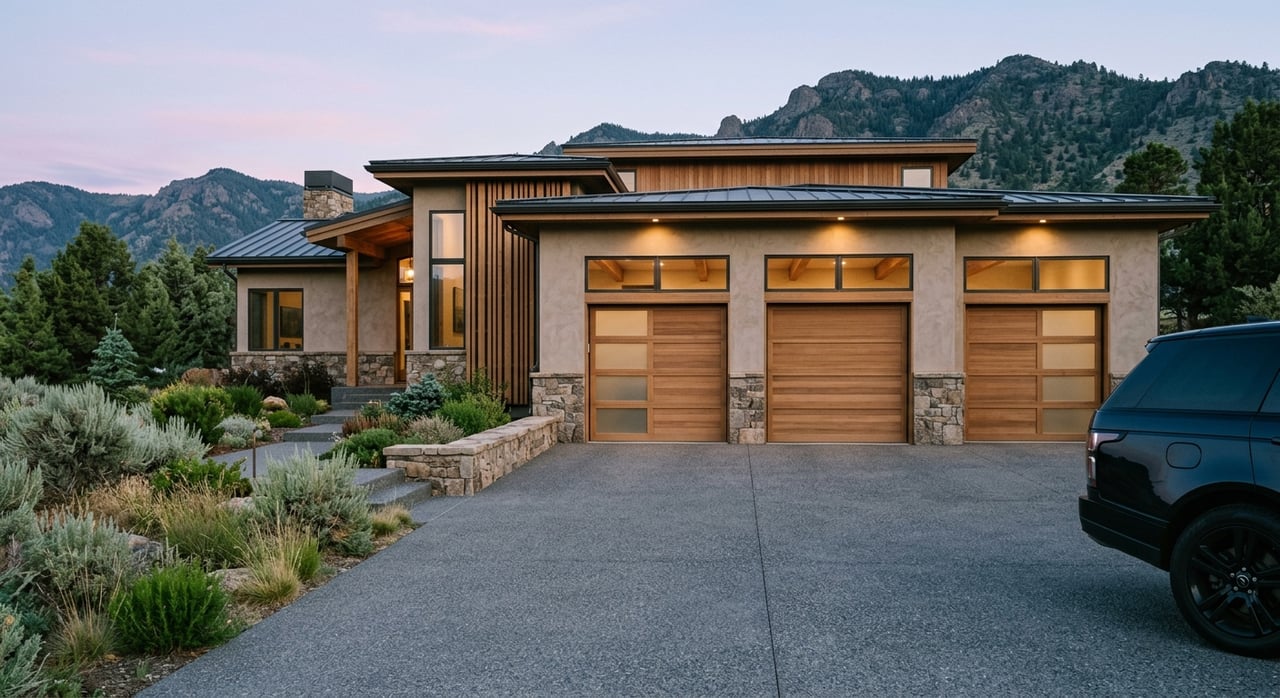
- Garage or covered parking
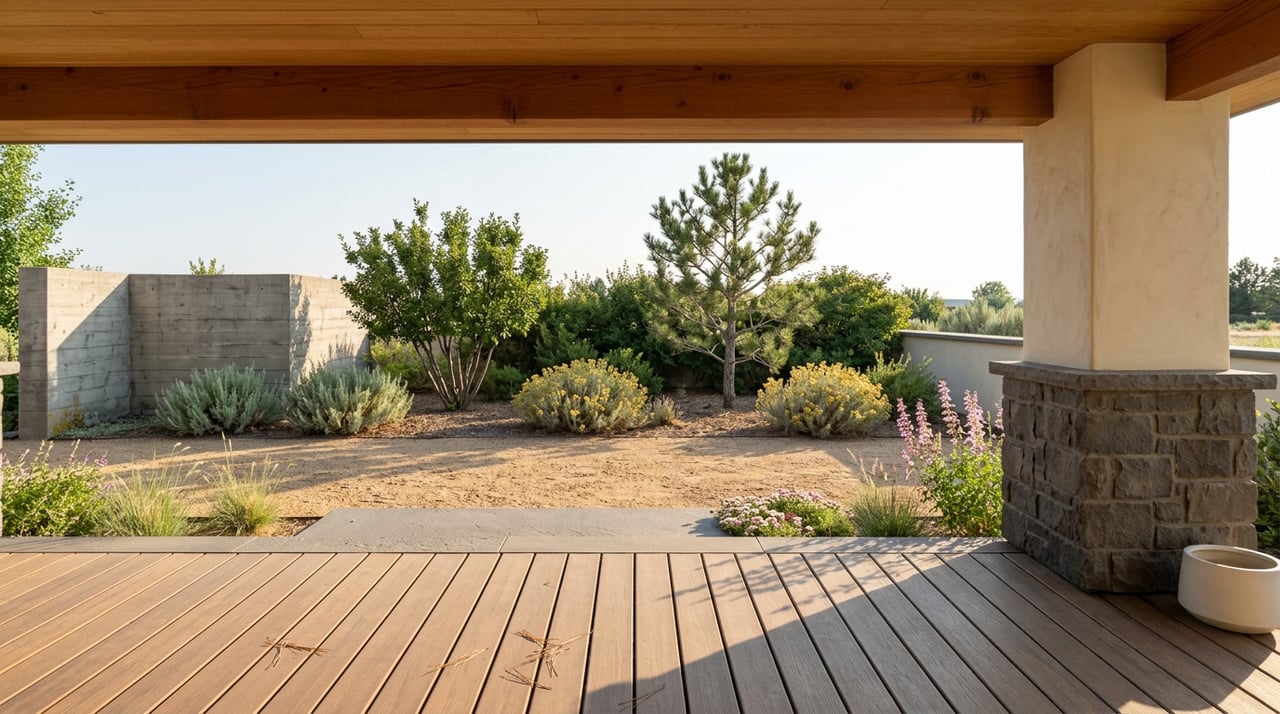
- Low-maintenance yards
- Storage for outdoor gear or work equipment
- A flex room or home office
- Fast access to major roads
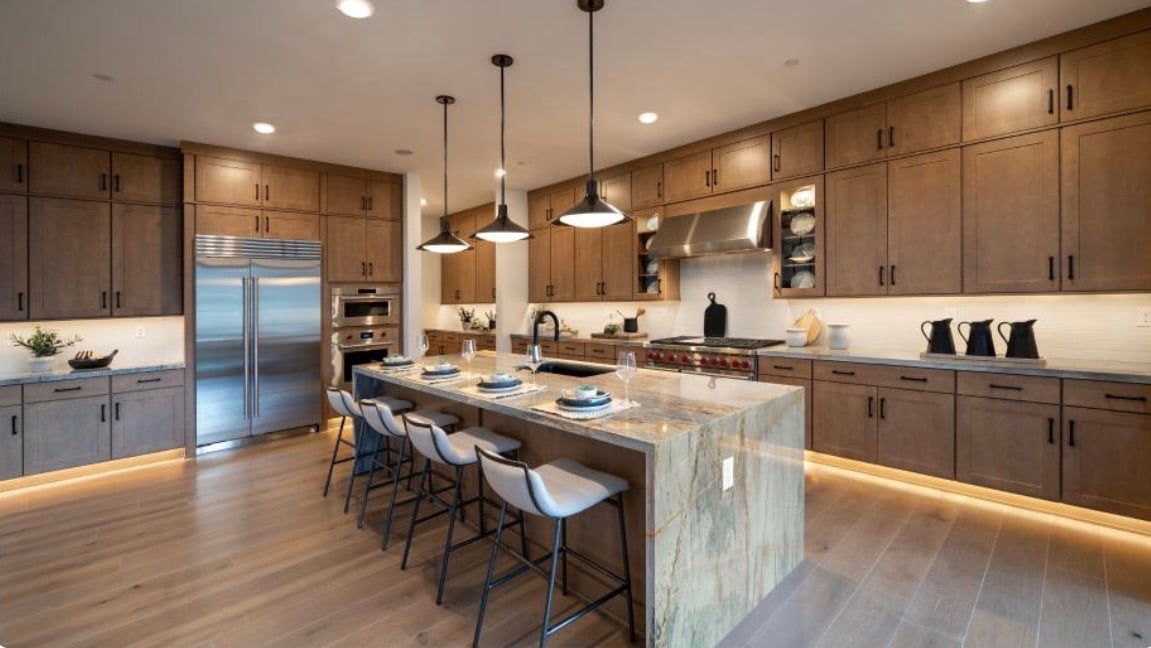
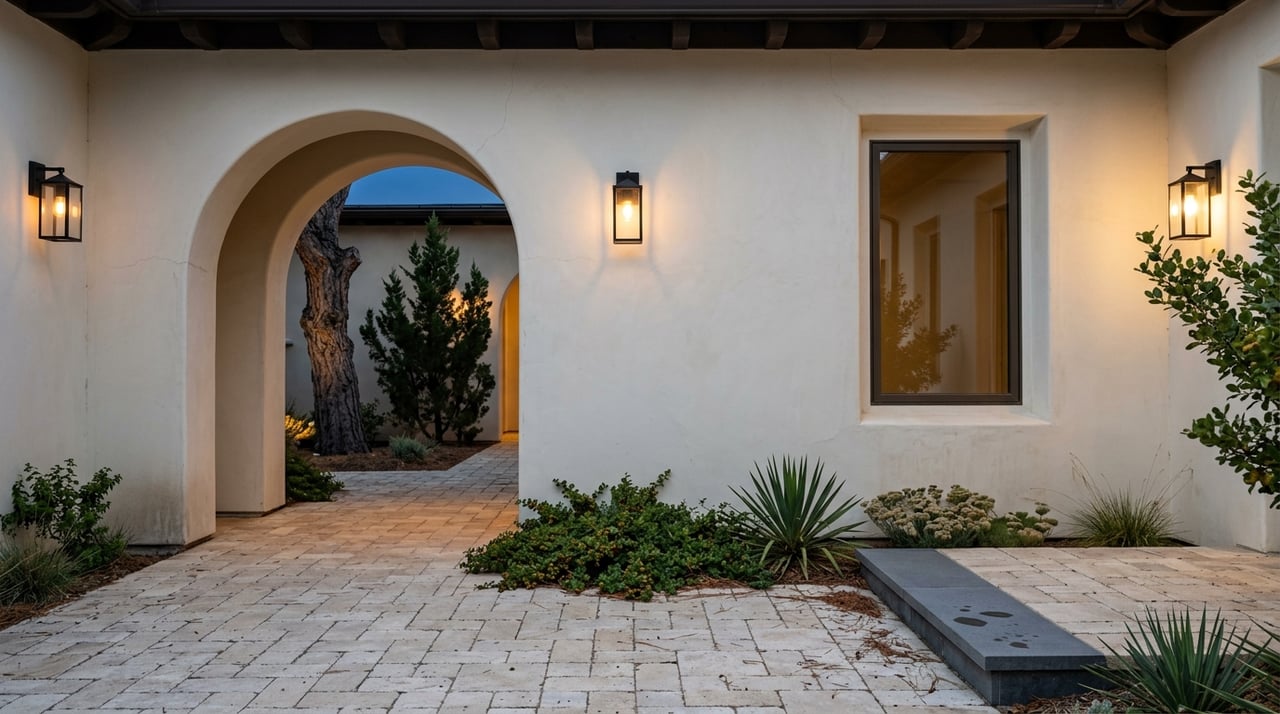
Those priorities make sense in a market where many households balance commuting, hybrid work, and outdoor recreation. A home that is easy to lock up, easy to maintain, and easy to leave from can be a strong fit.
Carson City housing at a glance
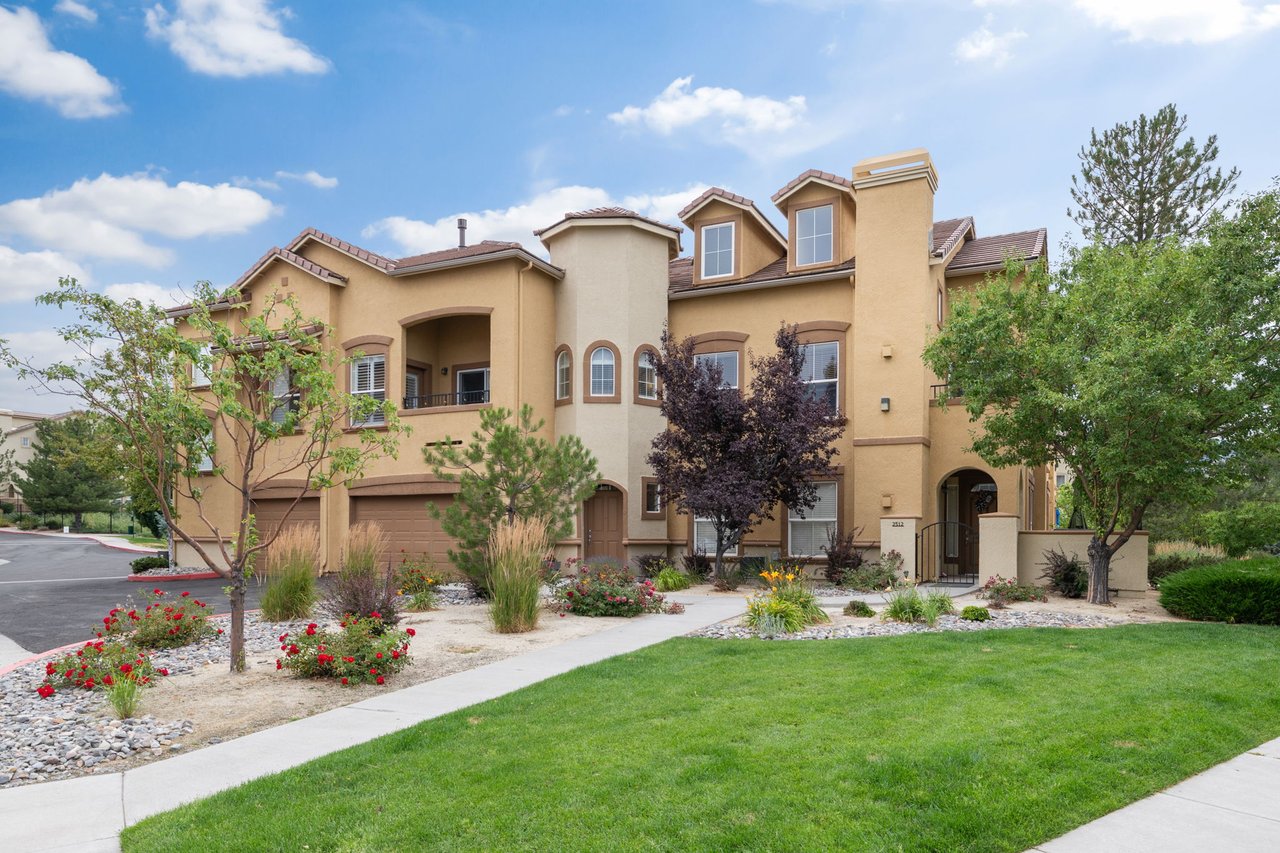
Carson City offers a housing mix that is still led by detached single-family homes, while gradually becoming more diverse. In 2023, detached homes made up 59.8% of the housing stock, and multifamily buildings with five or more units made up 19.5%.
That variety can help if you are trying to match your budget and maintenance goals to your commute. Some buyers want a traditional detached home with more storage and parking, while others prefer a lower-maintenance setup that keeps life simpler during a busy workweek.
Census data adds more useful context for commuter households. Carson City has a 62.3% owner-occupied housing rate, a median owner-occupied home value of $453,000, a median gross rent of $1,248, and a mean travel time to work of 20.5 minutes.
Those numbers do not tell the whole story, but they do help frame what daily life can look like here. For many buyers, Carson City hits a practical middle zone between regional access and livability.
Is Carson City good for hybrid work?
In many cases, yes. If you only need to be in Reno or Tahoe part of the week, Carson City can be especially appealing because it supports both drive access and work-from-home flexibility.
According to Census data, 91.5% of households report a broadband subscription. That is useful for buyers who need a reliable setup for video calls, remote work, or a home office routine between commute days.
A hybrid schedule can also make seasonal or corridor-sensitive drives easier to manage. If you are not driving every day, you may be more comfortable choosing a home based on overall lifestyle and functionality instead of only shaving a few minutes off the commute.
Can you rely on public transit?
Carson City does have transit options, but most commuters should view them as a supplement rather than a full replacement for a car. JAC is the local fixed-route system, RTC INTERCITY connects Carson City and Reno, and Valley & Lake Express connects Carson City with South Lake Tahoe and Minden/Gardnerville.
JAC runs Monday through Friday from 6:30 a.m. to 7:30 p.m. and Saturdays from 8:30 a.m. to 4:30 p.m., with hourly departures from the Downtown Transfer Plaza. It does not operate on Sundays or major holidays.
That means homes with easier access to JAC or the Downtown Transfer Plaza can be convenient, but transit is best treated as a backup or partial option. For most buyers with regular Reno or Tahoe work schedules, a car remains the more practical tool.
How to decide if Carson City fits you
Carson City may be a strong fit if you want one home base that supports more than one destination. It can work well for Reno professionals, Tahoe workers with some flexibility, hybrid employees, and buyers who want practical housing features over a more urban setup.
As you compare options, focus on the routine you want, not just the map. Think about your weekly drive pattern, your preferred route, parking needs, storage, work-from-home space, and how much maintenance you want in your next home.
The right fit is often the home that makes your Monday morning easier and your Friday afternoon feel lighter. In Carson City, that often comes down to access, function, and a setup that supports the way you really live.
If you are weighing Carson City against Reno or Tahoe-area options, Kirsch Real Estate Team can help you compare commute patterns, home features, and lifestyle tradeoffs so you can make a confident move.
FAQs
How far is Carson City from Reno for commuters?
- Visit Carson City describes Reno as about 25 minutes from Carson City.
How far is Carson City from Lake Tahoe for work or daily trips?
- Visit Carson City describes Lake Tahoe as about 25 minutes away, though travel times can vary more because the U.S. 50 corridor is seasonal and condition-sensitive.
What roads matter most for a Carson City commute?
- The main commuter routes are US 395, Carson Street, Carson Freeway, US 50, SR 28, and the I-580 connection, with key access points at Fairview Drive, U.S. 50/William Street, College Parkway, and Arrowhead Drive.
Is Carson City a good place for hybrid workers?
- Carson City can be a strong fit for hybrid workers because it offers regional access, a mean travel time to work of 20.5 minutes, and broadband subscriptions reported by 91.5% of households.
Is there public transit from Carson City to Reno or Tahoe?
- Yes, but it is best used as a supplement. JAC serves Carson City locally, RTC INTERCITY connects Carson City and Reno, and Valley & Lake Express connects Carson City with South Lake Tahoe and Minden/Gardnerville.
What kind of homes suit Carson City commuters best?
- Many commuters look for practical features like garage or covered parking, low-maintenance yards, storage, a flex room or office, and easier access to the main freeway corridor.