Real-world examples of how we've helped investors acquire properties, evaluate their portfolios, maximize returns, and make strategic real estate decisions throughout Reno and Northern Nevada.
Every real estate investment tells a different story.
Some investors are looking to acquire their first rental property. Others are expanding a multifamily portfolio, evaluating development opportunities, completing a 1031 exchange, or deciding whether an existing property is still the best place for their equity.
At the Kirsch Team, we believe successful investing starts with understanding your long-term goals—not simply finding the next property.
We work closely with investors throughout Reno, Sparks, Lake Tahoe, and Northern Nevada to evaluate opportunities, identify potential risks, and develop strategies that align with their financial objectives. From uncovering off-market opportunities to analyzing neighborhood trends, reviewing portfolio performance, and coordinating with financial advisors, CPAs, attorneys, and lenders, our role is to help clients make informed real estate decisions with confidence.
The case studies below highlight real examples of how we've helped clients acquire, reposition, and maximize the value of their real estate investments. While every investment carries risk and no two situations are the same, these stories demonstrate the thoughtful, data-driven approach we bring to every client relationship.
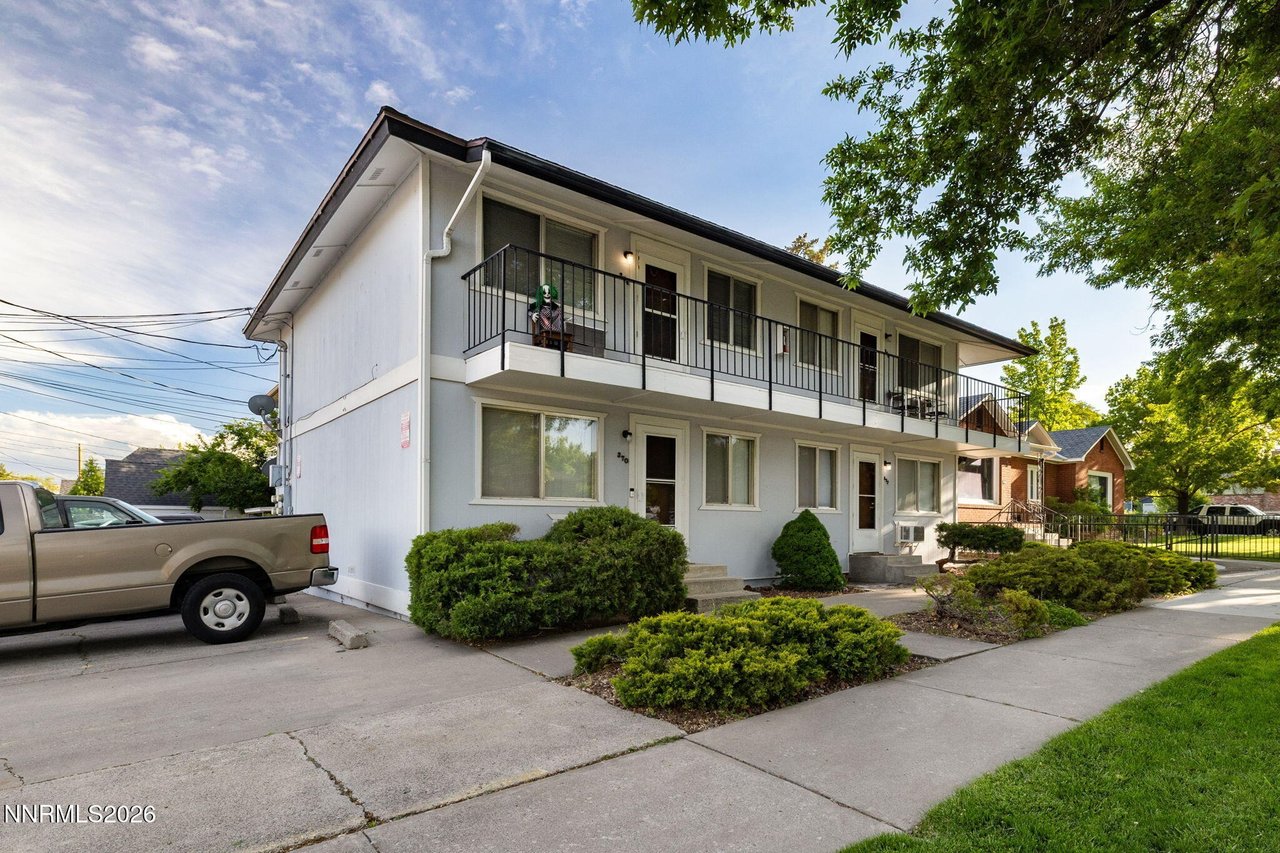
370 La Rue Street | Reno, NV
In 2020, we helped one of our investor clients purchase this six-unit apartment building off market for approximately $900,000. The property required no major renovations and is now under contract in 2026 for approximately $1.5 million.
I'd like this case study to focus on:
Past performance does not guarantee future results. Real estate investing involves risk, including the possible loss of principal. Market conditions, property management, and other factors significantly affect outcomes. Every investment situation is unique.
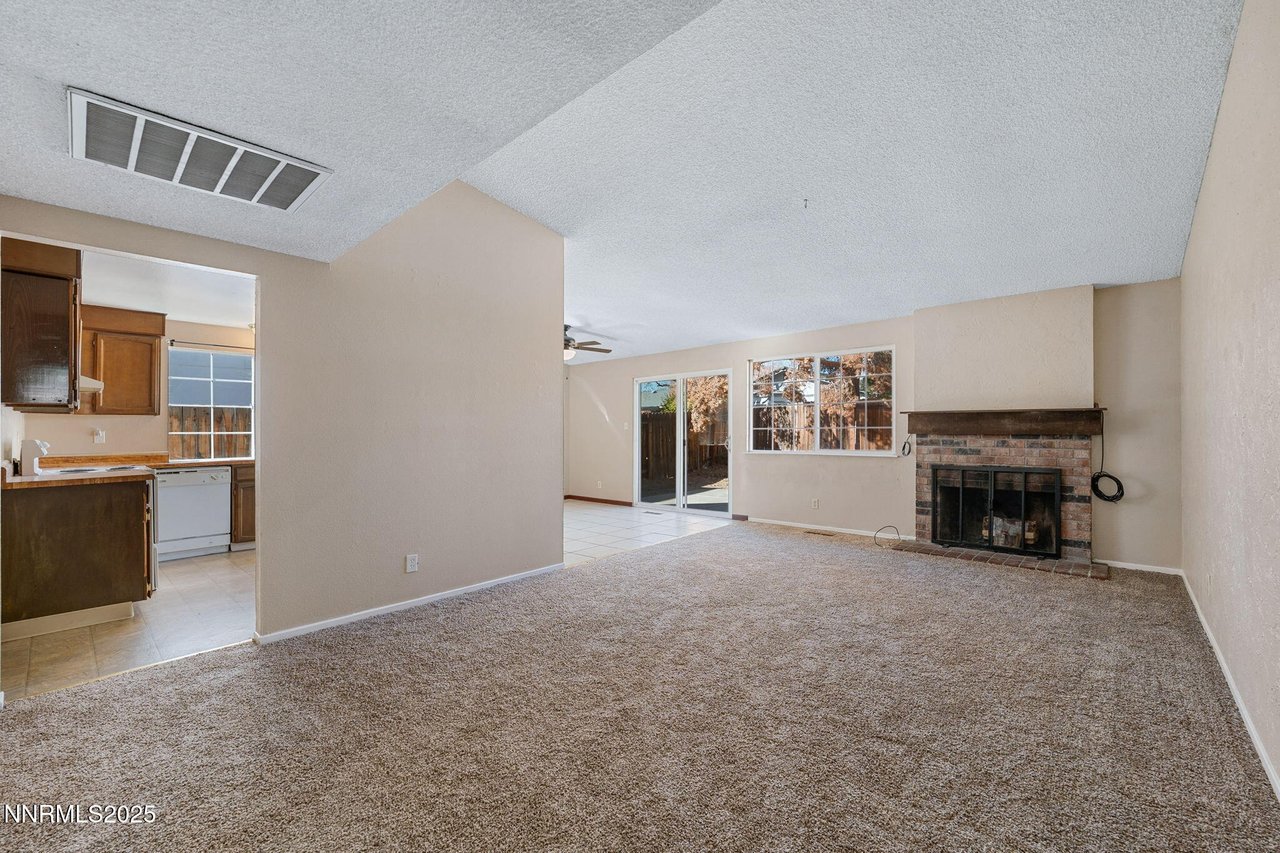
1897 Bonita Vista | Sparks, NV
These clients owned an investment property that wasn't producing the returns they wanted relative to its value.
Instead of simply encouraging them to continue holding the property, we worked alongside their financial advisor to evaluate their overall investment strategy.
Ultimately, they chose to sell the property and reinvest the proceeds into a REIT that better aligned with their long-term financial goals.
The takeaway I'd like visitors to understand is that sometimes the best investment decision isn't buying another property—it's evaluating whether your current assets are still working as hard as they should.
We regularly collaborate with clients' CPAs, financial advisors, and attorneys to evaluate the full picture. However, we do not provide financial, tax, or legal advice. We encourage all investors to consult with their qualified professionals before making real estate decisions.
This is one of the most common conversations we have with homeowners purchasing their next home.
Many people assume converting their previous primary residence into a rental is always the best financial decision, but every situation is different.
Realistic rent projections based on current market comparables in your area.
How the property's neighborhood and submarket are likely to perform over time.
Whether that equity could generate better returns deployed elsewhere.
The real cost of being a landlord, including vacancy, repairs, and management fees.
What other vehicles—REITs, 1031 exchanges, different properties—might better fit your goals.
How this decision fits into your broader plan for building and preserving wealth.
One factor that often changes the analysis entirely is the capital gains exclusion available to many homeowners selling a primary residence. Under current IRS rules, eligible homeowners may exclude up to $250,000 (or $500,000 for married couples filing jointly) in capital gains from the sale of a primary residence. Once you convert a home to a rental, this exclusion may be reduced or lost over time—making the timing of this decision financially significant.
This is not tax or legal advice. The capital gains exclusion has specific eligibility requirements based on how long you've owned and occupied the property. We strongly recommend consulting with your CPA or tax advisor regarding your individual situation before converting a primary residence into a rental property.
Explore:
Whether you're purchasing your first investment property, expanding a multifamily portfolio, exploring development opportunities, considering a 1031 exchange, or deciding whether to hold or sell an existing asset, we're here to help you evaluate your options.
Our approach goes beyond the transaction. We take the time to understand your goals, analyze the market, and help you determine how each real estate decision fits into your broader investment strategy. We also enjoy collaborating with your trusted financial professionals—including CPAs, attorneys, lenders, and financial advisors—to help ensure your real estate decisions support your long-term objectives.
If you're ready to discuss your next investment or simply want a second opinion on an opportunity you're considering, we'd be happy to start the conversation.