Understanding how the age of a home impacts its market value is essential for both buyers and sellers. Home age can influence everything from aesthetic appeal to structural integrity, and these factors play a significant role in determining a property's worth. By examining various aspects of how home age affects market value, individuals can make more informed decisions when buying or selling a property.
The Appeal of Newer Homes
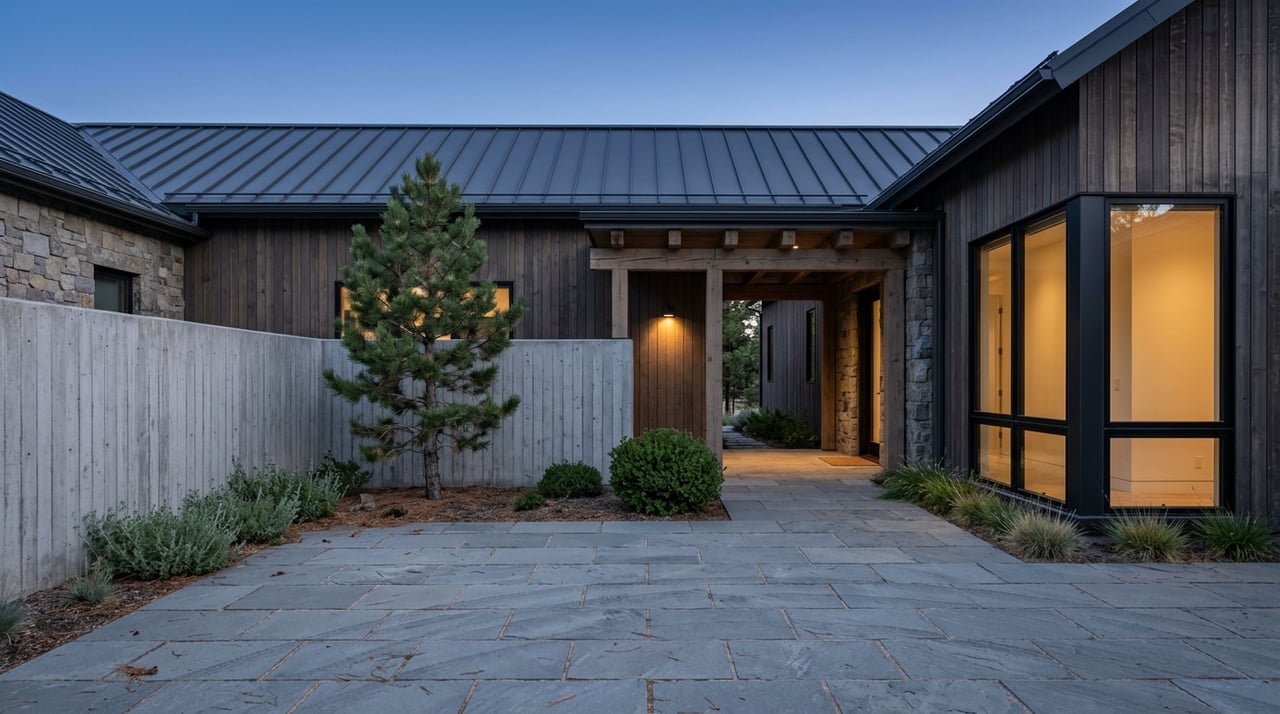
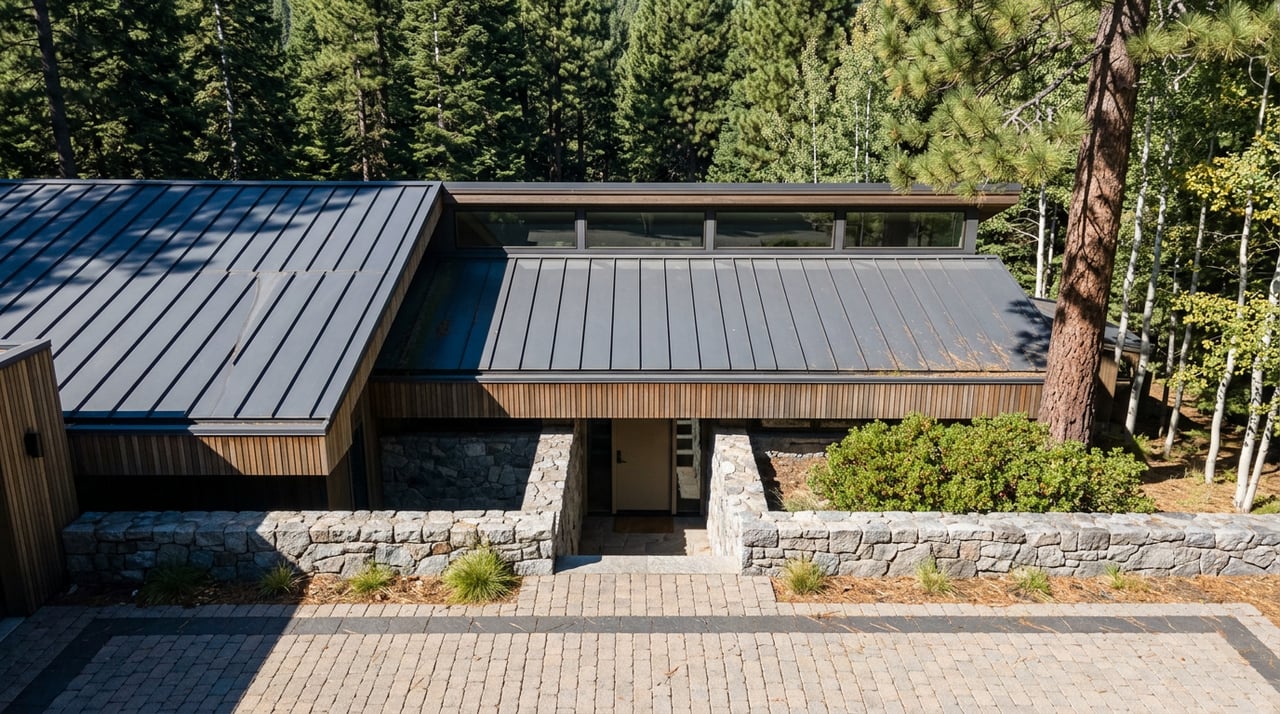
Newer homes often attract buyers due to their modern design and updated features. These homes typically incorporate the latest architectural styles and trends, which can be a significant draw for those looking for contemporary living spaces. Additionally, newer homes are more likely to include energy-efficient systems and smart home technology, which can reduce utility costs and increase convenience. These features not only enhance the living experience but also contribute to a higher market value, as buyers are often willing to pay a premium for modern amenities and reduced maintenance concerns.
The Charm of Older Homes
Older homes, on the other hand, offer a unique charm and character that newer properties may lack. These homes often feature distinctive architectural details, such as intricate woodwork, high ceilings, and vintage fixtures. For buyers who appreciate history and craftsmanship, older homes can be particularly appealing. This charm can translate into increased market value, especially in neighborhoods where historical preservation is valued. However, it's important to note that the condition of these older features can significantly impact value, as well-maintained original elements are more desirable than those in disrepair.
Maintenance and Renovation Costs
One of the critical considerations when evaluating a home's age is the potential for maintenance and renovation costs. Older homes may require more frequent repairs and updates, which can deter some buyers. Issues such as outdated electrical systems, plumbing, and roofing can add significant costs over time. Conversely, newer homes are less likely to need immediate repairs, offering peace of mind to potential buyers. When assessing market value, it's essential to weigh these potential costs against the home's purchase price, as they can influence a buyer's willingness to pay.
Energy Efficiency and Environmental Impact
The age of a home can also affect its energy efficiency and environmental impact. Newer homes are often built with modern insulation, windows, and HVAC systems that improve energy efficiency. This can result in lower utility bills and a smaller carbon footprint, which are attractive features for environmentally conscious buyers. Older homes, while potentially less efficient, can be retrofitted with energy-saving upgrades. The extent to which these improvements have been made can impact market value, as buyers may prioritize properties that offer long-term savings and sustainability.
Neighborhood Development and Location
The age of a home can also reflect the development and desirability of its neighborhood. In some cases, older homes are located in established areas with mature landscaping, larger lots, and proximity to amenities. These factors can enhance a property's market value, as buyers often seek out neighborhoods with a strong sense of community and convenience. Conversely, newer homes may be situated in developing areas with modern infrastructure and planned growth, which can also be appealing. Understanding the context of a home's location and its development history is crucial when evaluating market value.
Historical Significance and Preservation
Homes with historical significance can command higher market values due to their unique heritage and cultural importance. Properties that are part of a recognized historic district or have been preserved according to specific guidelines often attract buyers interested in maintaining the property's legacy. The historical significance can add prestige and desirability, contributing to a higher market value. However, it's important to consider any restrictions or requirements associated with preserving a historic home, as these can impact future renovations and maintenance.
Market Trends and Buyer Preferences
Market trends and buyer preferences play a significant role in how home age affects market value. In some markets, there may be a strong demand for modern, move-in-ready homes, while in others, buyers may prioritize the character and uniqueness of older properties. Understanding these trends can help sellers position their homes effectively and assist buyers in identifying properties that align with their preferences. Real estate agents often have insights into local market dynamics, which can be invaluable when assessing how home age influences value.
The Role of Appraisals and Inspections
Appraisals and inspections are critical components in determining a home's market value, regardless of its age. An appraisal provides an objective assessment of a property's worth, taking into account factors such as location, condition, and comparable sales. Inspections, on the other hand, identify potential issues that could affect value, such as structural problems or outdated systems. Both processes are essential for accurately evaluating how a home's age impacts its market value, providing buyers and sellers with the information needed to make informed decisions.
Financing Considerations
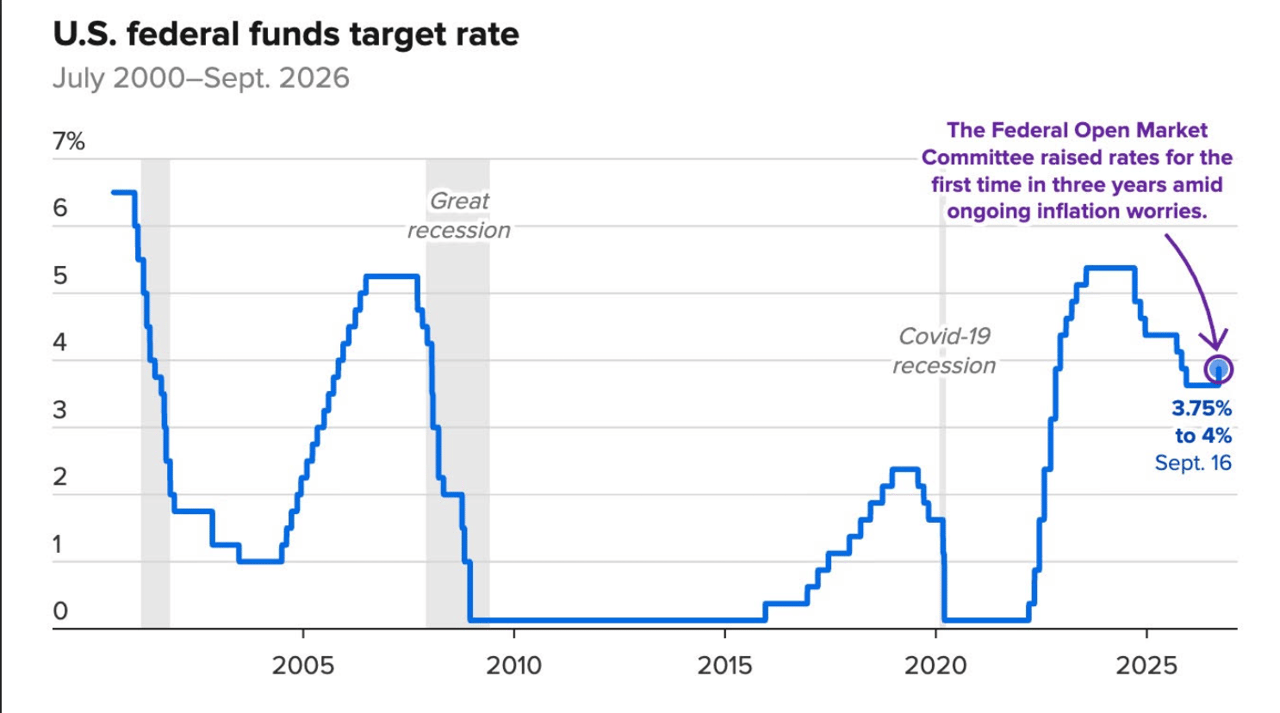
The age of a home can also influence financing options and terms. Lenders may have specific requirements for older homes, such as additional inspections or higher down payments, to mitigate perceived risks. Conversely, newer homes may qualify for more favorable financing terms due to their lower risk profile. Understanding how a home's age affects financing can help buyers navigate the mortgage process and ensure they secure the best possible terms for their purchase.
The Impact of Renovations and Upgrades
Renovations and upgrades can significantly alter the market value of a home, regardless of its age. For older homes, strategic updates can enhance functionality, improve energy efficiency, and preserve historical features, all of which can increase value. Newer homes may also benefit from upgrades that add luxury or convenience, such as high-end appliances or smart home technology. When assessing market value, it's important to consider the quality and scope of any renovations, as well-executed improvements can offer a substantial return on investment.
Conclusion
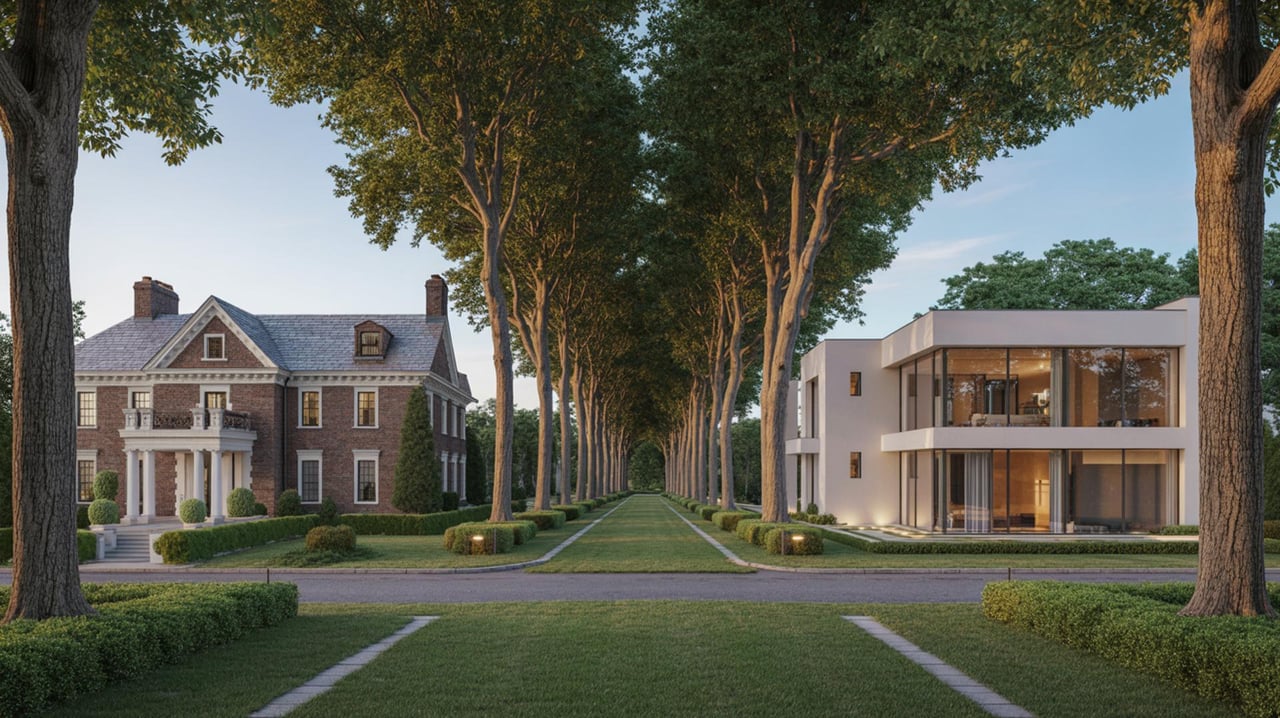
Understanding how the age of a home affects its market value is crucial for both buyers and sellers. Older homes may have charm and character, while newer homes offer modern amenities and efficiency. Each has its own impact on price and desirability. If you're looking to navigate the real estate market with confidence, reach out to the Kirsch Real Estate Team for expert guidance tailored to your needs.