There is a reason so many of us fell in love with real estate. We get to be present at life's biggest transitions ~ the first home, the growing family, the retirement chapter, the investment that changes a trajectory. We shake hands with optimism for a living. That is a rare and meaningful thing, and it deserves to be protected.
But every industry that runs on trust also attracts those who exploit it. And real estate, with its large sums, emotional stakes, and fast-moving timelines, can be a particularly attractive target for fraud. What follows is not meant to make you paranoid ~ it is meant to make you prepared.
We just dealt with our first legitimate scam attempt at the Kirsch Team. Thankfully, no funds were lost, just time wasted. It can happen to anyone, be proactive. This also came during a week with 4 cancelled escrows. So, it has been an eventful week to say the least.
The most common scam you may not be watching for
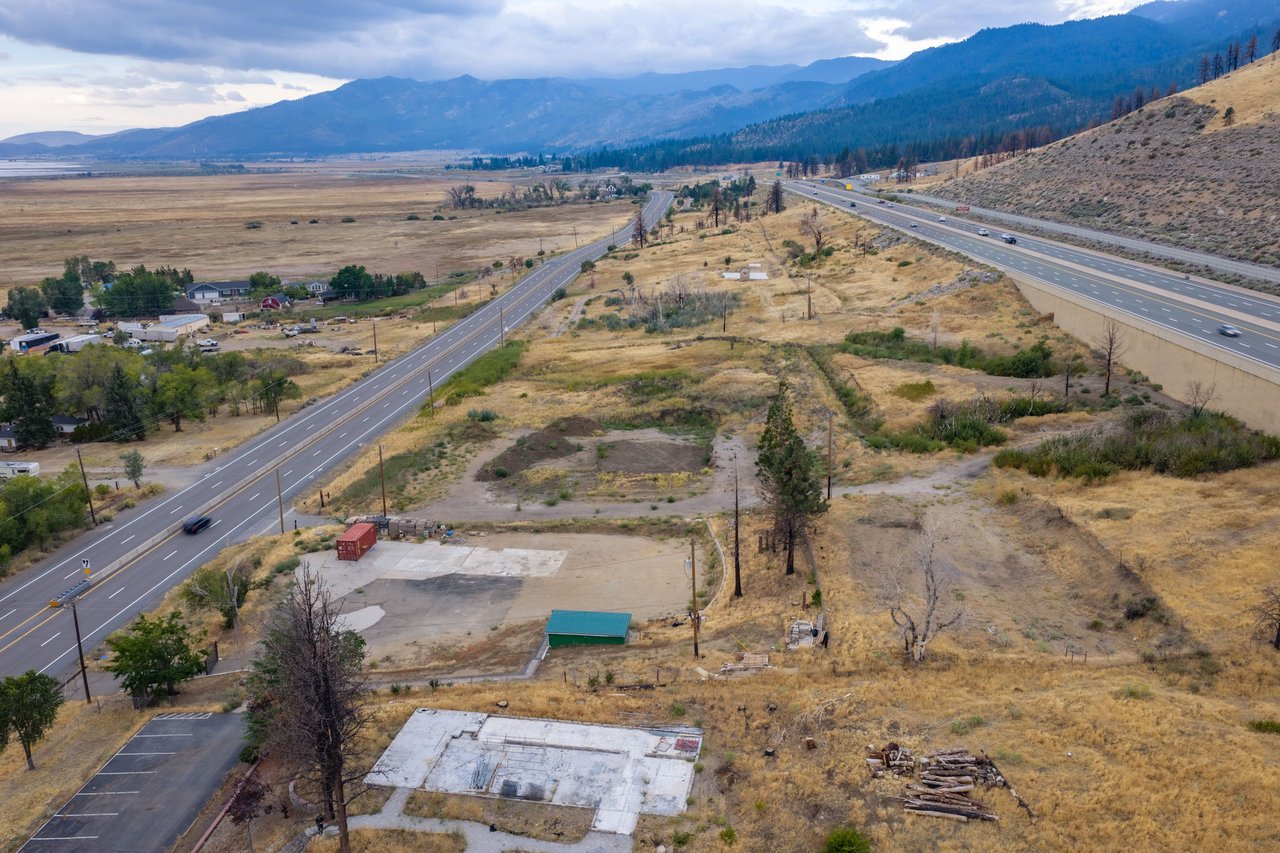
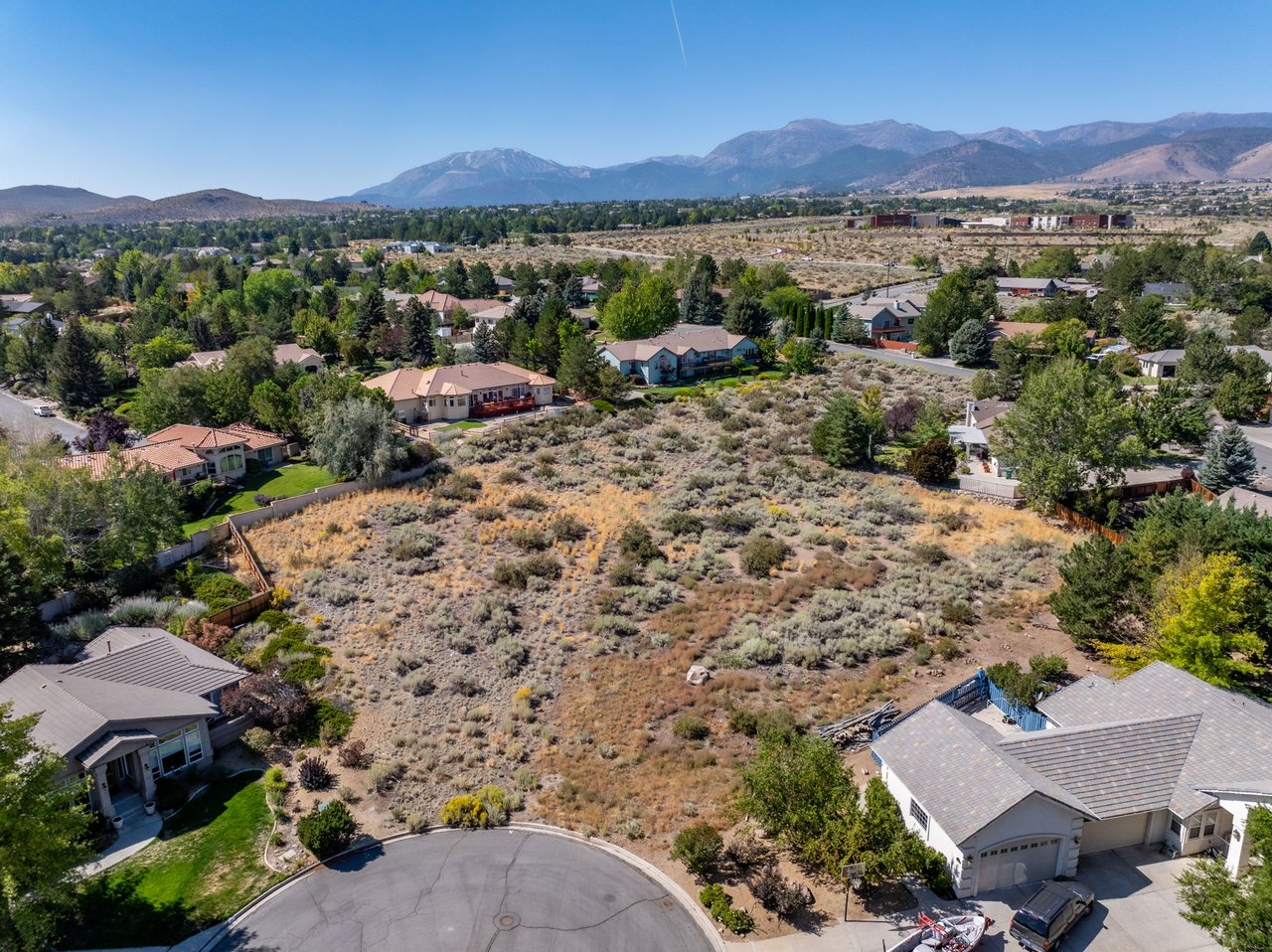
Before we talk about buyer fraud, let's address the scheme that costs sellers and agents the most: vacant lot and title fraud. This is, by volume, the single most prevalent form of real estate scam in the country ~ and it has been surging.
Here is how it typically unfolds: A fraudster identifies a vacant parcel of land ~ often owned free and clear by someone who lives out of state, is elderly, or simply doesn't monitor the property closely. The scammer then assumes the owner's identity, contacts an agent, lists the property, and pushes for a fast close. They price it aggressively to attract quick offers, insist on wire transfers, and disappear with the proceeds before anyone realizes what happened.
"The seller was never the seller. The title was never free. And the buyer, the agent, and the title company are left sorting through a nightmare they didn't create."
The red flags are consistent: an unrepresented "seller" who is unusually motivated, pressure to skip in-person meetings or use only email, resistance to standard identity verification, and a strong preference for wire transfer over any traceable payment method.
- Vacant, unoccupied, or out-of-state-owned land is targeted most often
- Seller refuses video call, in-person meeting, or notarized ID verification
- Urgency to close quickly with minimal contingencies
- Price is below market to attract fast offers and discourage scrutiny
- Communication is email-only; avoids phone or video contact
- Insists on wire transfer to an unfamiliar account; declines escrow norms
When the buyer is the threat
Seller-side fraud gets most of the press, but buyer fraud is alive and well ~ and it can waste weeks of your time, pull a legitimate listing off the market, and leave your seller in a far worse position than before.
The pattern tends to follow: An unrepresented buyer contacts you directly. They present well ~ articulate, seemingly knowledgeable, financially confident. They reference crypto holdings, equities, or funds "spread across multiple accounts." They make an offer and come to terms. Then the delays begin.
The earnest money is coming ~ just as soon as the crypto liquidates. Or the business deal closes. Or they return from vacation. The reasons rotate. Eventually a personal check arrives. It bounces.
By then, weeks have passed. Your listing has been sitting pending. Other legitimate buyers have moved on. And a search of the buyer's name ~ reveals a history of the exact same behavior.
Fraud often doesn't look like fraud. It looks like a normal person having a complicated month. The pattern only becomes visible in retrospect ~ unless you know what you're looking for in advance.
Protect yourself, your clients, and your colleagues
Require bank statements or a formal proof-of-funds letter ~ not verbal assurances, screenshots, or vague references to "multiple accounts."
Personal checks are far too easy to float. Require earnest money to be wired directly to escrow before the transaction proceeds.
Before accepting an offer from an unrepresented buyer, search their name in local realtor groups and online. It takes five minutes and can save weeks. Trust us.
A request for a 60-day escrow with vague explanations ~ especially tied to crypto liquidation ~ warrants extra due diligence, not accommodation.
For vacant lots or any seller not physically present, require notarized ID and a video call. Do not rely on email alone to confirm who you're working with.
When you encounter a scam, tell your colleagues. The realtor community is the most effective early-warning system in this business. Use it.
The good still outweighs the bad
None of this is meant to cast a shadow over the work we do. The vast majority of transactions are exactly what they appear to be ~ two parties trying to do something meaningful with their lives, trusting us to help them do it well. That is a privilege worth defending.
The best defense isn't cynicism. It's process. A consistent, disciplined approach to verification ~ applied to every transaction, not just the ones that feel suspicious ~ protects everyone involved without changing the warmth of how we do business.
Trust your instincts. Run your checks. Share your experiences. And remember: if something keeps feeling off, that feeling is information.