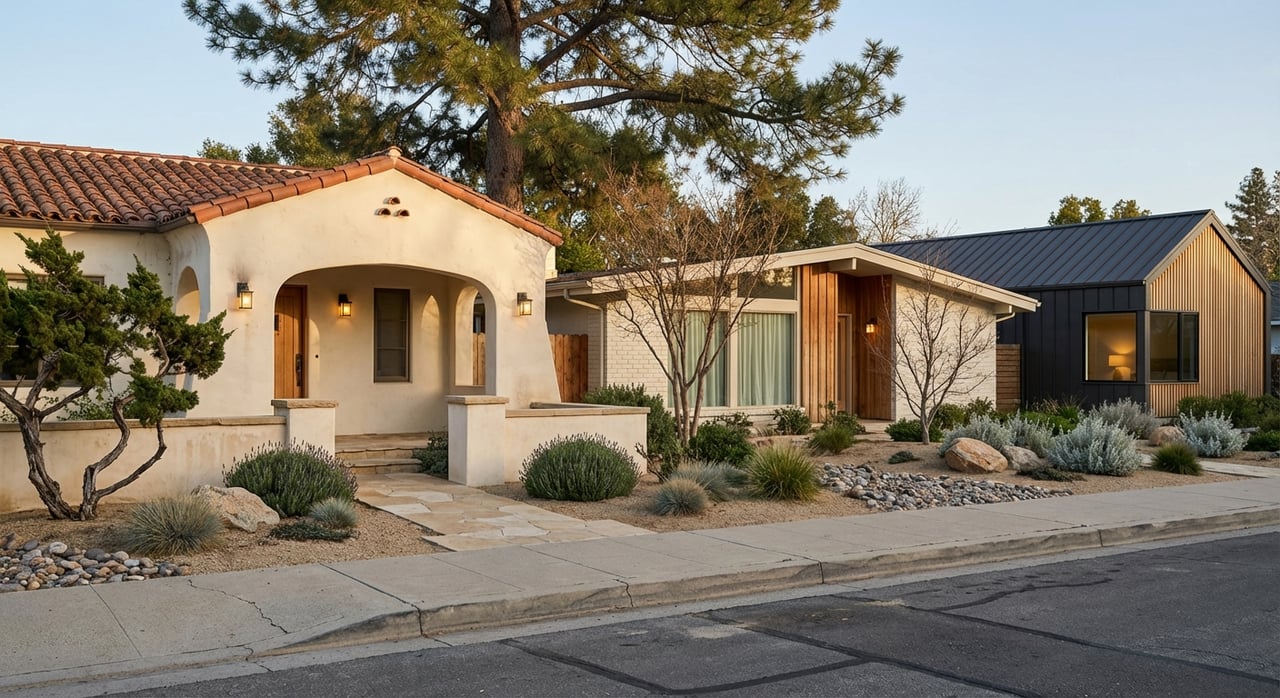
What makes one Reno neighborhood feel artsy and walkable while another feels serene with mountain views? If you are exploring the Biggest Little City from afar, it can be hard to match what you want with where to look. This guide breaks down Reno’s major home styles and neighborhood vibes in plain language so you can zero in on the places that fit your lifestyle. You will also get practical next steps to explore communities with confidence. Let’s dive in.
How Reno is laid out
Reno’s master plan organizes the city into central, outer suburban, and foothill areas. That structure explains why some districts feel dense and mixed-use while others are low-rise and nature focused. You can see this framework in the city’s planning materials, which guide land use, infill, and open space across the map. Review the city’s overview of growth areas in the official Reno Master Plan for added context.
The Truckee River runs through the heart of downtown and shapes daily life along the Riverwalk and Virginia Street. Parks and trails link many neighborhoods back to this spine, and the city’s park plan highlights continued investment in connected greenways and active spaces. If you want a feel for downtown energy, start with the Riverwalk and nearby events, then branch out. You can learn more about parks and trail priorities in Reno’s Parks and Recreation Service Plan, and get a taste of Riverwalk life from the Downtown Riverwalk District.
Home styles by area: what you see and feel
Historic central neighborhoods
Where you’ll find them: Just south and west of the Truckee River in areas like Old Southwest and Newlands, plus parts of Old Northwest. These early-20th-century districts grew as Reno expanded and still show original streetscapes. Architectural historians note the era’s influence on Reno’s core neighborhoods, with intact blocks and period details documented in the SAH Archipedia overview of northern Nevada’s built environment.
What homes look like: Craftsman bungalows, modest Tudor and Colonial Revival homes, and cottage-style houses with front porches. Common interior details include original hardwoods and built-ins.
Vibe in a sentence: Characterful and close to city amenities. These areas feel walkable and are a short hop to Midtown and the Riverwalk. Old Southwest in particular is known for its historic charm and limited new construction, which often supports steady demand according to local market snapshots of Old Southwest.
Midtown and Downtown
Where you’ll find them: Along and near Virginia Street, just south of the Riverwalk core. Midtown serves as Reno’s arts-and-coffee corridor with galleries, breweries, and small shops, while downtown clusters cultural venues and the riverfront.
What homes and buildings look like: Small-lot vintage houses, some converted to commercial use, low-rise apartments and lofts, and newer infill townhomes and condos near retail blocks.
Vibe in a sentence: Urban and lively. You get short blocks, local events, and a quick commute to downtown jobs and venues.
Mid-century and postwar pockets
Where you’ll find them: Interstitial neighborhoods that expanded from the 1940s through the 1970s, especially in parts of northwest Reno and other inner-ring suburbs. The period growth shows up in street patterns and house types noted in the SAH Archipedia context.
What homes look like: Single-story ranch plans, split-levels, and modest mid-century tract homes. Lots are usually bigger than downtown but smaller than foothill properties.
Vibe in a sentence: Quiet and residential with convenient access to everyday shopping. A good fit if you want a suburban feel without a long cross-town commute.
Foothill master-planned communities
Where you’ll find them: Up-valley toward Galena Forest and the Mt. Rose corridor, including Caughlin Ranch, ArrowCreek, and Montreux. These neighborhoods prioritize open space, trails, and views. Caughlin Ranch, for example, is a master-planned community with its own trail network and parks, detailed by the Caughlin Ranch HOA.
What homes look like: Custom and semi-custom single-family homes on larger lots. Styles range from mountain-lodge to contemporary luxury, often with panoramic outlooks.
Vibe in a sentence: Scenic and outdoors oriented. You trade a bit of urban convenience for privacy, elevation, and trail access.
Golf-course and gated communities
Where you’ll find them: Montreux, Somersett, and parts of ArrowCreek center life around private or semi-private golf clubs. Somersett’s club and community programming offer a clear example of the resort-style model, outlined by the Somersett Golf and Country Club.
What homes and amenities look like: Gated entries, clubhouse dining, pools, tennis or pickleball, fitness spaces, and golf facilities. Homes range from high-end custom estates to lock-and-leave villas. In many communities, club membership is separate from the HOA, so it is smart to confirm costs and inclusions. ArrowCreek is a helpful case study for separating HOA and club details, with overviews available on ArrowCreek 411.
Vibe in a sentence: Resort-like and low-key after hours. Ideal if you want amenities on-site and quick access to outdoor recreation.
Modern master-planned suburbs
Where you’ll find them: South and southeast Reno, in large-scale neighborhoods such as Damonte Ranch, Double Diamond, and South Meadows. These communities grew rapidly and are planned around parks and neighborhood shopping.
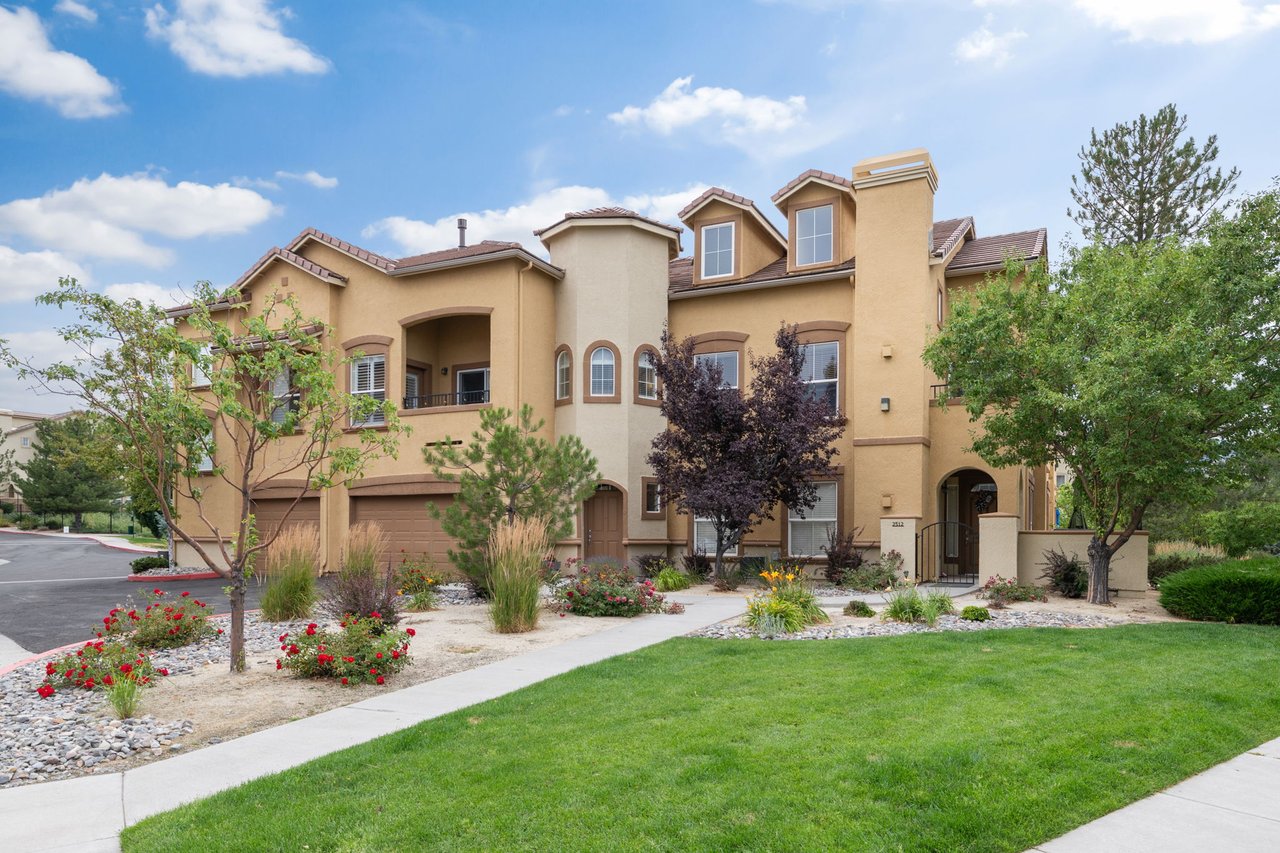
What homes look like: 1990s to 2020s single-family homes clustered around pocket parks and schools, with sidewalks and modern floor plans.
Vibe in a sentence: Easy suburban living. Expect curving residential streets, small parks, and the convenience of nearby services.
Rural and north valleys
Where you’ll find them: Farther from central Reno to the north and east in areas like Spanish Springs, Stead, and the North Valleys. Parcels and services vary widely by location.
What homes look like: Traditional ranch houses, ranchettes, hobby farms, manufactured-home communities, and newer builds on acreage.
Vibe in a sentence: Space-first living with fewer walkable conveniences. A smart match if you want room for outbuildings, toys, or animals.
Quick neighborhood cheat sheet
- Riverwalk and Downtown: Riverfront restaurants, cultural venues, short-block walkability, and condos or lofts.
- Midtown: Arts district with breweries and small shops; mix of bungalows and infill condos.
- Old Southwest and Newlands: Early-1900s bungalows, tree-lined streets, and historic character.
- Caughlin Ranch: Foothill master plan with trails, parks, and larger custom homes.
- ArrowCreek: Gated foothill community with residents’ center and a private golf club nearby; big views.
- Montreux: Gated golf community with resort-style amenities in a forested setting.
- Somersett: Master-planned community with club amenities, trails, and neighborhood events.
- Damonte Ranch, Double Diamond, South Meadows: Newer suburbs with parks, schools, and retail nodes.
- Spanish Springs, North Valleys, Stead: Exurban parcels and ranchettes with room to spread out.
How to choose your Reno fit
Use these practical steps to narrow your search:
- Map your daily life. List your must-haves, like commute time, trail access, garage bays, or a low-maintenance yard. Rank them by importance.
- Test the vibe at different times. Visit a few neighborhoods at morning rush, midday, and evening to see parking, street noise, and foot traffic. Downtown and Midtown can feel different on event nights. Preview the scene by scanning the Riverwalk district’s event highlights.
- Check terrain and seasons. Foothill areas have steeper streets, winter weather considerations, and wildfire exposure. The city’s planning framework calls out these foothill specifics, so review the Master Plan context and factor in your vehicle, driveway slope, and preferred routes.
- Verify HOA and club details. In golf or gated communities, HOAs typically cover common-area maintenance, while club memberships are separate. Confirm initiation fees, dues, and what is included. See a homeowner-focused explanation of ArrowCreek’s setup on ArrowCreek 411.
- Weigh parks and trails. Master-planned suburbs often bundle parks and schools into the neighborhood fabric, while foothill communities emphasize trail systems. Reno’s Parks and Recreation Service Plan outlines how connections are improving citywide.
Pro tip: Bring a notebook. After each visit, jot down three things you liked, three you would change, and a quick 1 to 10 score for commute, amenities, and outdoor access. Patterns emerge fast.
Sample buyer matches
- Want nightlife and short commutes: Start with Midtown and the Riverwalk-adjacent blocks.
- Want historic charm and walkability: Explore Old Southwest and Newlands.
- Want parks and modern layouts: Tour Damonte Ranch, Double Diamond, and South Meadows.
- Want views, trails, and privacy: Check Caughlin Ranch, ArrowCreek, Montreux, and Somersett.
- Want acreage and elbow room: Focus on Spanish Springs, Stead, and the North Valleys.
Your next step
If you are relocating or right-sizing within Reno, a guided neighborhood tour saves time and stress. We help you match lifestyle priorities with on-the-ground options, from character bungalows near the Riverwalk to mountain-modern homes in the foothills. With more than $300M in career volume and 200-plus closed sales, our team blends boutique service with proven negotiation to get you home with confidence.
Ready to explore? Reach out to the Kirsch Real Estate Team to Request a Private Consultation or Get Your Free Home Valuation. We will create a focused plan and line up homes that fit your style.
FAQs
What are the main home styles in Reno?
- You will see historic Craftsman and Tudor bungalows near downtown, mid-century ranch homes in inner-ring suburbs, newer tract homes in south and southeast suburbs, and custom or semi-custom properties in foothill and golf-course communities.
How does the Truckee River area shape Reno neighborhoods?
- The Truckee River anchors downtown life with the Riverwalk and nearby Virginia Street, linking parks, events, and walkable dining that many buyers want to be near; explore the Riverwalk district overview for a feel of the core.
What should I know about HOAs versus golf club memberships in Reno?
- In communities with golf or gated amenities, HOA dues usually cover common areas, while golf or club access often requires separate membership and fees; review specifics and examples like ArrowCreek’s homeowner information before you buy.
Where are Reno’s newer suburban neighborhoods located?
- Most large-scale newer developments are in south and southeast Reno, including Damonte Ranch, Double Diamond, and South Meadows, which are planned around parks, schools, and neighborhood retail.
Are foothill neighborhoods in Reno harder to access in winter?
- Foothill communities can have steeper streets and more winter weather impacts; the city’s Master Plan highlights these terrain considerations, so plan for vehicle type, driveway slope, and snow routes in your decision.