If you are preparing to sell a luxury home in Incline Village, the market is asking for more than a beautiful property. Buyers still have options, and that means your pricing, presentation, and launch plan all need to work together from day one. The good news is that a thoughtful strategy can help you protect value, reduce avoidable delays, and attract serious interest with confidence. Let’s dive in.
Understand the current Incline Village market
Incline Village remains a high-price market, but it is not moving at a breakneck pace. Recent reporting showed a median sale price of about $1.77 million and a median 69 days on market for the three months ending May 2026, while another source reported a median listing price of $1.5 million, 64 median days on market, and homes selling an average of 3.18% below asking in May 2026.
The exact numbers vary by data source, but the takeaway is consistent. Buyers in Incline Village generally have time to compare homes, which makes presentation and pricing precision especially important. In a balanced market, luxury sellers often benefit more from a polished launch than from rushing to market.
Start with a pre-list strategy
Before you schedule photos or activate a listing, it helps to decide where your time and money will make the biggest impact. In many luxury sales, the smartest pre-list plan is not the most expensive one. It is the one that improves what buyers notice first, both online and in person.
Staging guidance from 2025 shows that staging often includes cleaning, decluttering, repairing, depersonalizing, and updating the home. It also found that buyers respond strongly to visual presentation, especially listing photos, physical staging, video, and virtual tours.
That matters in Incline Village because your first showing usually happens on a screen. If a buyer is comparing several homes in the same price range, the one that feels clean, bright, and easy to picture can gain an early edge.
Focus on visible improvements
For most luxury sellers, pre-list dollars are best spent on updates that show well in photos and help the home feel move-in ready. These tend to be practical, high-visibility improvements rather than major remodels.
Consider prioritizing:
- Deep cleaning
- Decluttering and depersonalizing
- Paint touchups
- Updated lighting
- Fresh hardware
- Minor repairs
- Landscaping and entry curb appeal
These changes support the kind of clean, polished presentation buyers expect in the luxury segment. They also tend to be easier to complete on a predictable timeline than larger construction projects.
Know when bigger projects may not pay off
A full remodel can be tempting before listing, especially if you have lived in the home for years. But in a balanced market, large projects can add cost, time, and uncertainty without guaranteeing a matching return.
That does not mean you should ignore important issues. It means you should weigh whether a project will truly improve buyer perception, or whether it is better to present the home beautifully as-is with selective updates.
Stage for the way luxury buyers shop
Luxury buyers are not only evaluating square footage and finishes. They are also responding to how a home lives. A well-staged property helps them picture daily routines, hosting, work-from-home needs, and the overall lifestyle the property offers.
National staging data found that the rooms most often staged are the living room, primary bedroom, dining room, and kitchen. Those spaces are often the visual anchors of a luxury listing, and they tend to shape a buyer’s first impression quickly.
Staging an occupied home
If you are living in the home while selling, the goal is usually not a total redesign. Instead, it is about editing the space so its architecture, natural light, and function stand out.
For occupied luxury homes, focus on:
- Living room
- Primary suite
- Kitchen
- Dining room
- Office or flex space
Remove overly personal items, simplify decor, and use a neutral, cohesive look where possible. Buyers should be able to understand how each room functions without being distracted by the details of daily life.
Staging a vacant home
Vacant homes can feel clean and impressive, but they can also feel hard to read. Empty rooms often make it more difficult for buyers to judge scale, flow, and furniture placement.
In those cases, physical staging or virtual staging can help bring the home to life. The right approach depends on the property, the layout, and your marketing plan, but the objective stays the same: help buyers visualize the home clearly and quickly.
Make media quality part of the sales plan
In the luxury market, media is not an extra. It is part of the pricing and positioning strategy. According to recent staging research, photos were the listing asset most likely to matter to buyers, followed by physical staging, videos, and virtual tours.
That means your home should be camera-ready before photography is booked. Small details such as wrinkled bedding, cluttered counters, dim light, or unfinished touchups can soften the impact of an otherwise exceptional property.
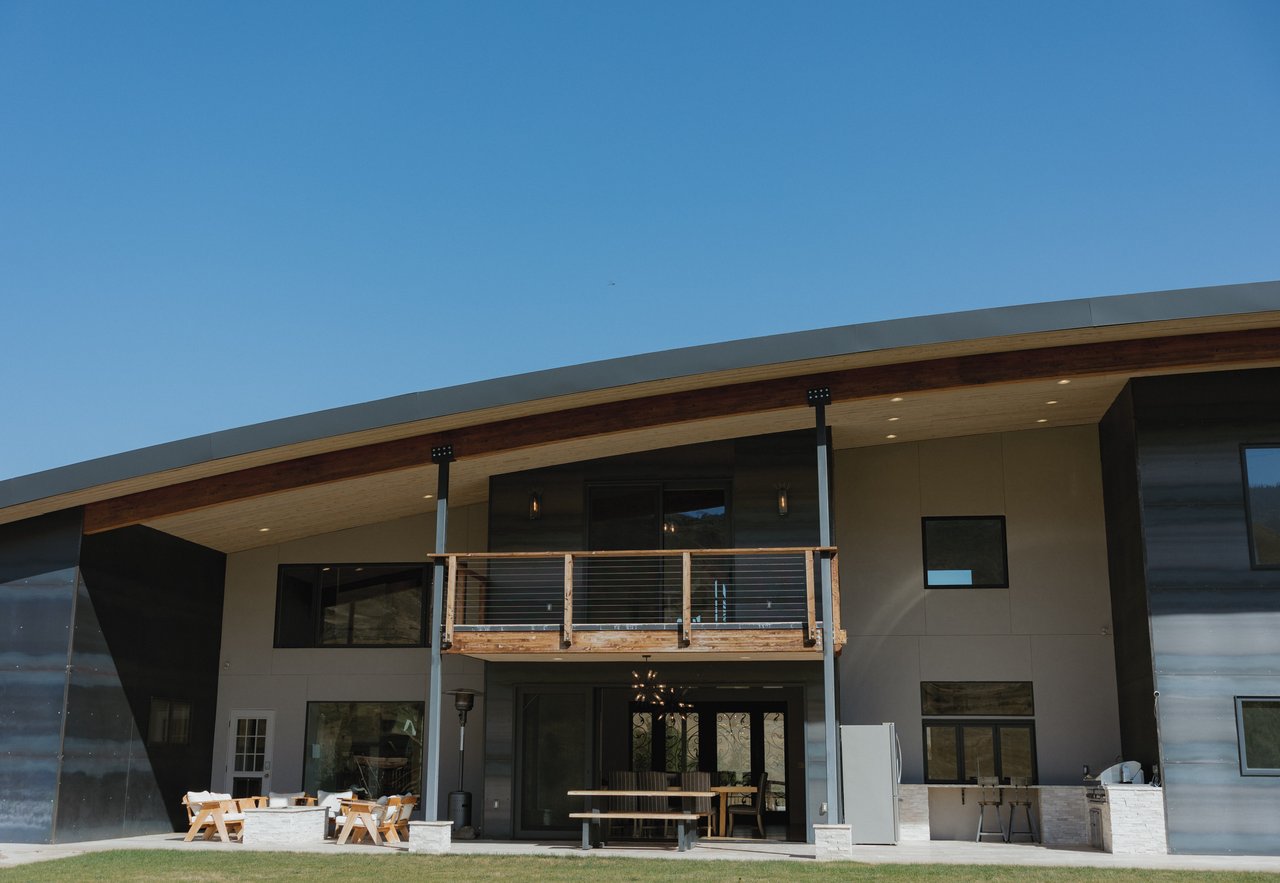
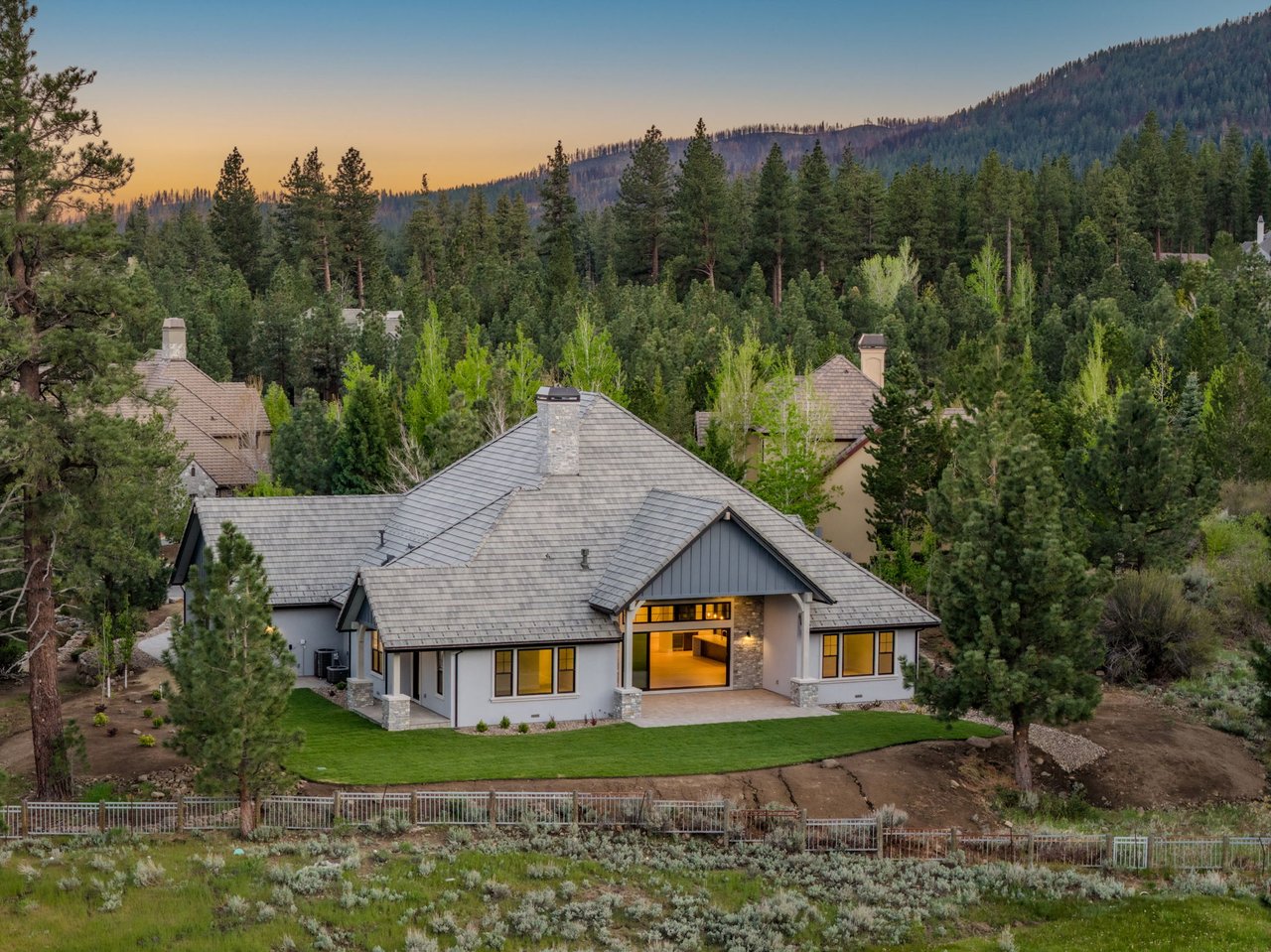
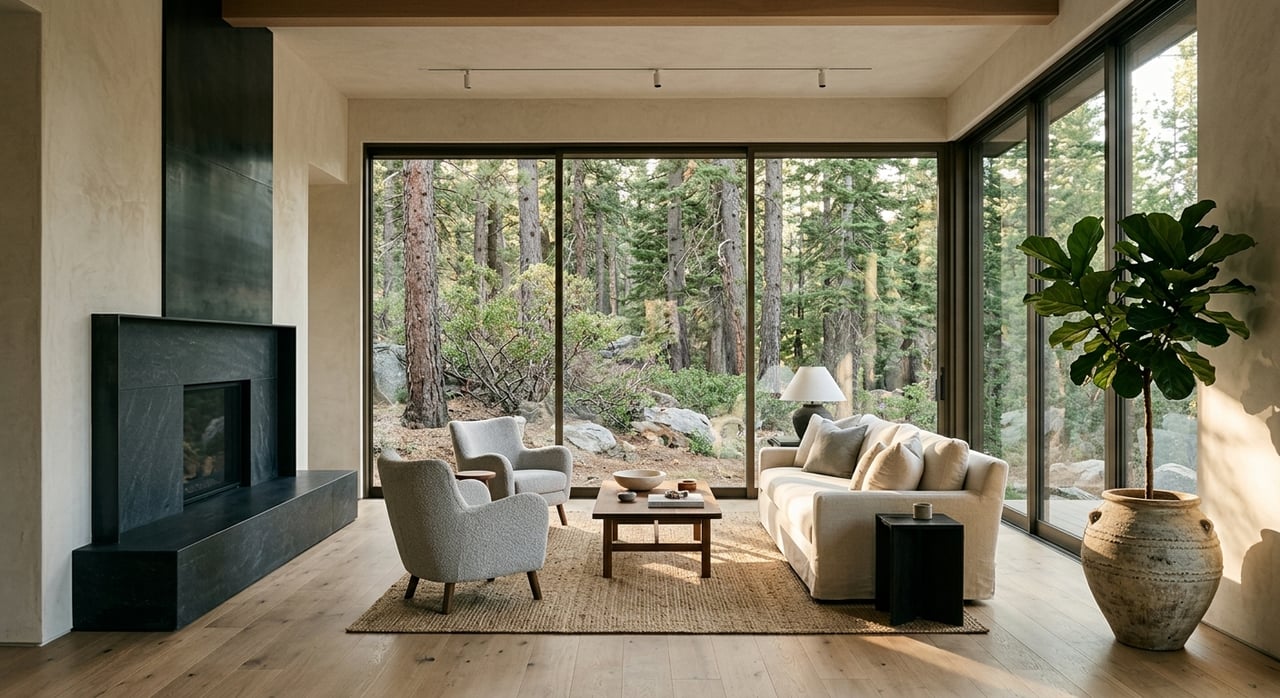
A strong media package should support the story of the home. In Incline Village, that often means highlighting interior light, architectural lines, outdoor connection, and the setting that makes the property feel distinct.
Check permits before listing photos
One of the easiest ways to create stress during a sale is to ignore permit questions until a buyer raises them. If you completed work beyond cosmetic updates, it is wise to review whether the work required approvals before the home goes live.
Washoe County states that a building permit is required for any project not on the exempt list, and work completed without required permits is considered illegally constructed work. In the Lake Tahoe Region, TRPA also says many projects require both TRPA environmental review and a separate local building permit.
Why permit review matters early
Permit questions can affect disclosures, buyer confidence, and the closing timeline. They can also come up during inspections or document review, which is rarely the moment you want to start sorting them out.
If your home had additions, deck work, exterior changes, or other non-cosmetic improvements, reviewing the permit history before launch can help you avoid surprises. It can also make your listing preparation feel much more controlled.
Protect privacy without losing exposure
Privacy is a real concern for many luxury sellers, especially in second-home markets or high-profile ownership situations. At the same time, broad exposure can still matter if your goal is strong price discovery and access to the largest pool of serious buyers.
That is the central tradeoff. A fully private sale can feel more discreet, but a tightly managed MLS launch often creates better visibility in a balanced market like Incline Village.
Build privacy into the showing plan
Privacy does not have to mean limited preparation. It means creating safeguards before showings begin.
A practical privacy checklist includes:
- Removing family photos and calendars
- Storing mail and sensitive documents
- Logging out of computers and devices
- Securing passwords and personal information
- Locking away valuables
- Securing firearms and medications
- Using showing systems that log entry activity
- Adding a no-photography note in the MLS when appropriate
These steps help reduce risk while still allowing qualified buyers to experience the property. For many luxury sellers, this kind of structured access offers a strong middle ground between full exposure and full privacy.
Prepare Nevada disclosures early
Luxury transactions still depend on the same core documents that support any well-run sale. In Nevada, the seller is required to complete the residential disclosure form and serve it at least 10 days before conveyance.
The Nevada Real Estate Division explains that the form is meant to inform the buyer about the property’s condition. It is not a warranty, and it does not require you to disclose defects you do not know about.
Update disclosures if conditions change
If you discover a new defect or a previously disclosed condition gets worse, Nevada guidance says the buyer must be informed in writing as soon as practicable before closing. This is one reason sellers benefit from handling disclosure preparation early rather than leaving it for later in the process.
A complete and timely disclosure package supports smoother negotiations. It also helps reduce the chance of last-minute friction once a buyer is under contract.
Request HOA or condo documents in advance
If your Incline Village property is part of an HOA or condominium association, document timing matters. Nevada guidance says the resale package must be furnished within 10 calendar days of a written request and remains effective for 90 calendar days.
That package includes key governing and financial documents, fee information, and statements about pending legal actions or judgments. Buyers generally have a five-calendar-day cancellation right after receiving it, so delays here can affect the transaction timeline.
What to gather before launch
If your home is in an association, request the resale package early so you are not waiting on paperwork after accepting an offer. This is especially helpful in luxury sales, where buyers and their advisors often review documents carefully and expect quick responses.
Price for the market you have
Pricing a luxury home is never just about aspiration. It is about how buyers are likely to compare your property to current alternatives. In Incline Village, recent market data suggests that buyers are taking time, and some homes are selling below asking.
That does not mean you should underprice your home. It means your list price should align with your home’s condition, presentation, and competition at the moment you launch.
A well-prepared luxury property can absolutely stand out. But in a balanced market, buyers often reward homes that feel properly positioned from the start.
Bring it all together before launch
The strongest luxury listings usually feel effortless to the buyer because the work happened before the first showing. That includes the visible details, the documents, the permit review, the staging plan, and the pricing conversation.
When those pieces are aligned, your home enters the market with a clear story and fewer obstacles. That kind of preparation can make a meaningful difference in both buyer response and negotiation strength.
If you are preparing to sell in Incline Village and want a polished plan that respects both value and privacy, Kirsch Real Estate Team can help you build a thoughtful launch strategy from presentation to negotiation.
FAQs
What updates matter most before selling a luxury home in Incline Village?
- Visible, photo-friendly improvements usually matter most, including deep cleaning, decluttering, paint touchups, lighting, hardware, minor repairs, and curb appeal.
How should you stage an occupied luxury home in Incline Village?
- Focus on the living room, primary suite, kitchen, dining room, and office or flex space, while removing personal items and simplifying decor so buyers can picture daily use.
Do luxury home improvements in Incline Village need permits?
- Some do. Washoe County says projects not on the exempt list require permits, and many Tahoe-region projects may also require TRPA review plus a local building permit.
How can you protect privacy when selling a luxury home in Incline Village?
- Remove personal information, secure valuables and sensitive items, use controlled showing access, and consider adding a no-photography note in the MLS when appropriate.
When do Nevada seller disclosures need to be completed?
- Nevada requires the residential disclosure form to be completed and served at least 10 days before conveyance, and any new or worsening known condition should be disclosed in writing as soon as practicable before closing.
What HOA documents should sellers gather for an Incline Village home sale?
- If the property is in an HOA or condo association, request the resale package early because it includes governing documents, financial information, fees, and other required disclosures, and timing can affect the sale process.