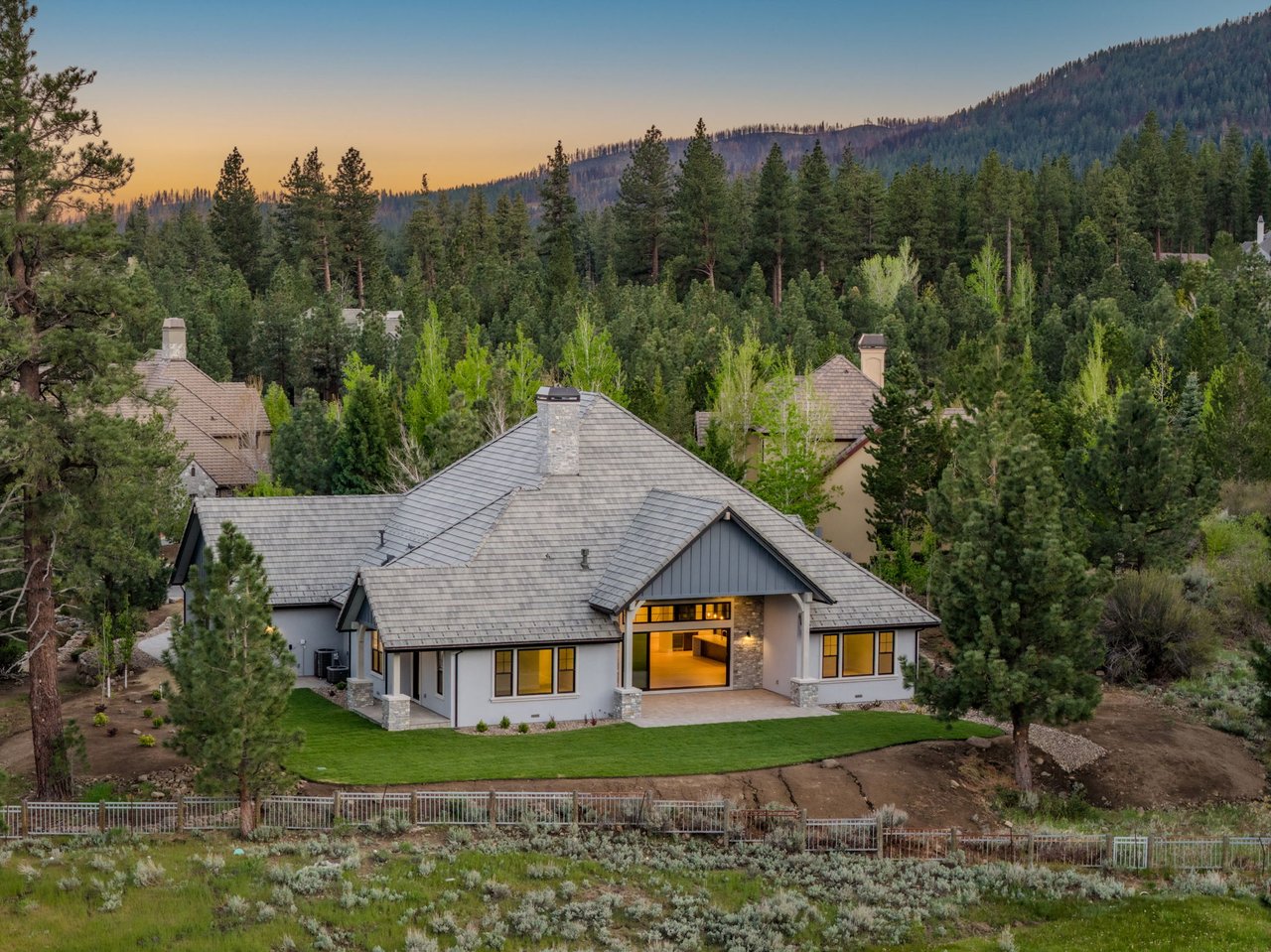
Thinking about trading California for Northern Nevada? If Carson City is on your shortlist, you are probably weighing more than home prices alone. You want to know what daily life feels like, what your money may buy, and what surprises to expect once the move is real. This guide walks you through the big things to know before moving to Carson City from California so you can plan with more confidence. Let’s dive in.
Why Carson City Stands Out
Carson City offers a different pace than many California movers expect when they compare it with larger Northern Nevada cities. The city had an estimated population of 58,148 in 2024, which is much smaller than Reno and Sparks, according to the U.S. Census Bureau. That smaller size often translates to a more residential feel and less of a metro atmosphere.
It also has a strong sense of place. As Nevada’s capital, Carson City has deep historic roots, and the city highlights its territorial and state-capital history on its official history page. If you enjoy living somewhere with character, the Kit Carson Trail and historic district add another layer that many buyers find appealing.
Housing Costs Compared With Reno and Sparks
For many California buyers, housing is one of the first reasons Carson City moves onto the radar. The latest Census data shows a median owner-occupied home value of $453,000 in Carson City, compared with $548,300 in Reno and $483,800 in Sparks. Median gross rent is also lower in Carson City at $1,248, versus $1,556 in Reno and $1,716 in Sparks.
A more current snapshot tells a similar story. In late February 2026, Zillow reported Carson City’s typical home value at about $482,949, compared with about $552,392 in Reno and $523,431 in Sparks, based on its local market data. In simple terms, Carson City often gives you a lower price point than Reno and a slightly lower one than Sparks.
That said, lower cost does not always mean more choices. Zillow also showed 109 homes for sale in Carson City, compared with 970 in Reno and 327 in Sparks. If you move from a large California market, one adjustment may be getting comfortable with a smaller inventory pool.
Expect a Smaller Inventory Pool
Inventory matters just as much as price. Carson City can be attractive because it is generally more affordable than Reno, but the number of available homes is also more limited. That means your home search may require a little more flexibility on timing, finishes, or exact location.
This is especially important if you are relocating on a firm schedule. With fewer listings to choose from, being prepared before you start touring can make a real difference. Knowing your financing, move timeline, and non-negotiables early helps you act with more confidence when the right home appears.
Nevada Taxes vs California Taxes
One of the biggest financial contrasts is Nevada’s lack of a personal state income tax. For many California movers, that is a major reason to consider a move. Still, the tax picture is not always as simple as changing your address.
The California Franchise Tax Board notes that part-year residents and nonresidents may still have California filing obligations depending on residency status and California-source income. In other words, if you still work in California or receive California-source income, moving to Nevada may not automatically end your California tax exposure.
Because those rules are fact-specific, it is smart to talk with a CPA or attorney before making assumptions. This is especially true if you are keeping business interests, remote work ties, or investment income connected to California.
Commute and Regional Access
If you are worried that living in Carson City means a difficult daily drive, the data is more balanced than you might expect. The Census reports a mean travel time to work of 20.5 minutes in Carson City, which is very close to Reno’s 20.3 minutes and lower than Sparks’ 24.0 minutes.
In real life, your commute will depend more on where you work than on the city name itself. If your job, appointments, or travel patterns regularly take you north, regional transit may help. RTC Washoe’s Regional Connector, also called Carson Express, provides weekday service between Carson City and Reno, including stops at Meadowood Mall and Reno’s 4th Street Station.
Climate Feels Different Than California
Carson City sits at 4,761 feet and has a high-desert climate. According to NOAA climate normals, the city has an annual mean temperature of 51.7°F, annual precipitation of 9.34 inches, and annual snowfall of 14.0 inches.
If you are moving from many parts of California, the biggest adjustment will likely be winter. July averages around 89.5°F for the high and 54.8°F for the low, while December averages about 44.6°F and 23.9°F. That means colder mornings, occasional snow, and much drier air than many California transplants are used to.
A practical move-in tip is to plan for layers, winter driving awareness, and home systems that support colder weather. Even if snow is not constant, it is part of the seasonal rhythm here.
Outdoor Access Is a Major Perk
For many buyers, Carson City’s location is the real headline. The city’s tourism office highlights access to hiking, mountain biking, skiing, golf, river recreation, and easy day trips to Lake Tahoe, Virginia City, Reno, Carson Valley, and Fallon through its things to do guide.
That access extends to well-known outdoor destinations nearby. Official recreation resources for the Lake Tahoe Basin’s east shore point to places such as Sand Harbor, Spooner and Marlette Lakes, Nevada Beach, and Zephyr Cove. Washoe Lake State Park is another nearby option for time outside.
If your goal is to be close to mountain and lake recreation without living in a larger resort or metro environment, Carson City checks an important box. It gives you a home base that is practical for everyday life while still keeping weekend adventures within easy reach.
Lifestyle: More Residential, Less Metro
One of the clearest differences between Carson City and many California locations is overall feel. Carson City tends to appeal to people who want a smaller capital-city base, easier Tahoe-area access, and housing that is generally less expensive than Reno’s, based on the combined population, housing, transit, and recreation data in the research above.
That does not make it better or worse than Reno or Sparks. It simply means the fit depends on what matters most to you. If you want a more urban environment with a larger housing pool, Reno may feel more familiar. If you want a smaller-scale setting with regional access and historic character, Carson City may be the better match.
What California Movers Should Plan For
A smooth move usually comes down to a few practical decisions. Before you make the jump, it helps to focus on these key areas:
- Budget realistically: Compare not just purchase price, but also rent, commute patterns, and moving costs.
- Prepare for limited inventory: Fewer listings can mean less room to wait.
- Review your tax situation: Nevada has no personal state income tax, but California filing rules may still apply in some cases.
- Think about climate: High-desert living brings colder winters, drier air, and occasional snow.
- Map your routine: Work, airport access, family visits, and recreation all shape whether Carson City feels convenient.
The more clearly you define your daily priorities, the easier it is to decide whether Carson City truly fits your next chapter.
Is Carson City Right for You?
Carson City can make a lot of sense if you are looking for a smaller Northern Nevada city with a residential feel, access to outdoor recreation, and housing costs that are often lower than Reno’s. It can be especially appealing if you want to stay within reach of the Reno-Tahoe region without being in the middle of a larger metro area.
The right move, though, is always personal. Your work location, tax situation, budget, and lifestyle goals all matter. If you want local guidance on neighborhoods, available homes, or how Carson City compares with nearby markets, the Kirsch Real Estate Team can help you navigate the move with clear advice and high-touch support.
FAQs
What should California buyers know about Carson City home prices?
- Carson City home values and rents are generally lower than Reno’s and slightly lower than Sparks’, based on Census and Zillow data in the research report.
What should California movers know about taxes when relocating to Carson City?
- Nevada does not have a personal state income tax, but you may still have California tax obligations depending on residency status and any California-source income.
What should relocating buyers expect from Carson City inventory?
- Carson City usually has a smaller pool of homes for sale than Reno, so your search may require more flexibility and preparation.
What should new Carson City residents expect from the climate?
- Carson City has a high-desert climate with dry air, colder winters, and some snowfall, which can feel very different from many California markets.
What should outdoor-focused buyers know about living in Carson City?
- Carson City offers convenient access to hiking, biking, skiing, golf, Washoe Lake, and day trips to Lake Tahoe and other nearby destinations.
What should commuters know about living in Carson City and working nearby?
- Commute times are comparable to Reno and Sparks on average, and weekday regional transit to Reno is available through the Carson Express service.