Buying your first home in Sparks can feel exciting and a little overwhelming. You want clear answers about neighborhoods, HOAs, commute times, total costs, and how to use Nevada’s first-time buyer programs. This guide gives you the local context you need so you can move forward with confidence and avoid common surprises. You will learn what you can buy in Sparks, how to budget beyond your mortgage, which assistance programs to explore, and a step-by-step path to the keys. Let’s dive in.
Why Sparks works for first-time buyers
Sparks sits just east of Reno along I-80, so you get quick connections across the metro and a strong mix of home types. According to the latest Census QuickFacts, Sparks has about 111,500 residents, a homeownership rate near 59.8 percent, a median value of owner-occupied homes around $483,800, median gross rent of $1,716, and an average commute of about 24 minutes. You can review the full snapshot on the Census page for Sparks city, Nevada.
While prices and inventory change month to month, Sparks is often a more accessible entry point than nearby Reno, with a healthy range of neighborhoods and property types. Plan for moderate competition in desirable areas and remember that timing, condition, and location can shift your options quickly.
What you can buy in Sparks
Single-family homes
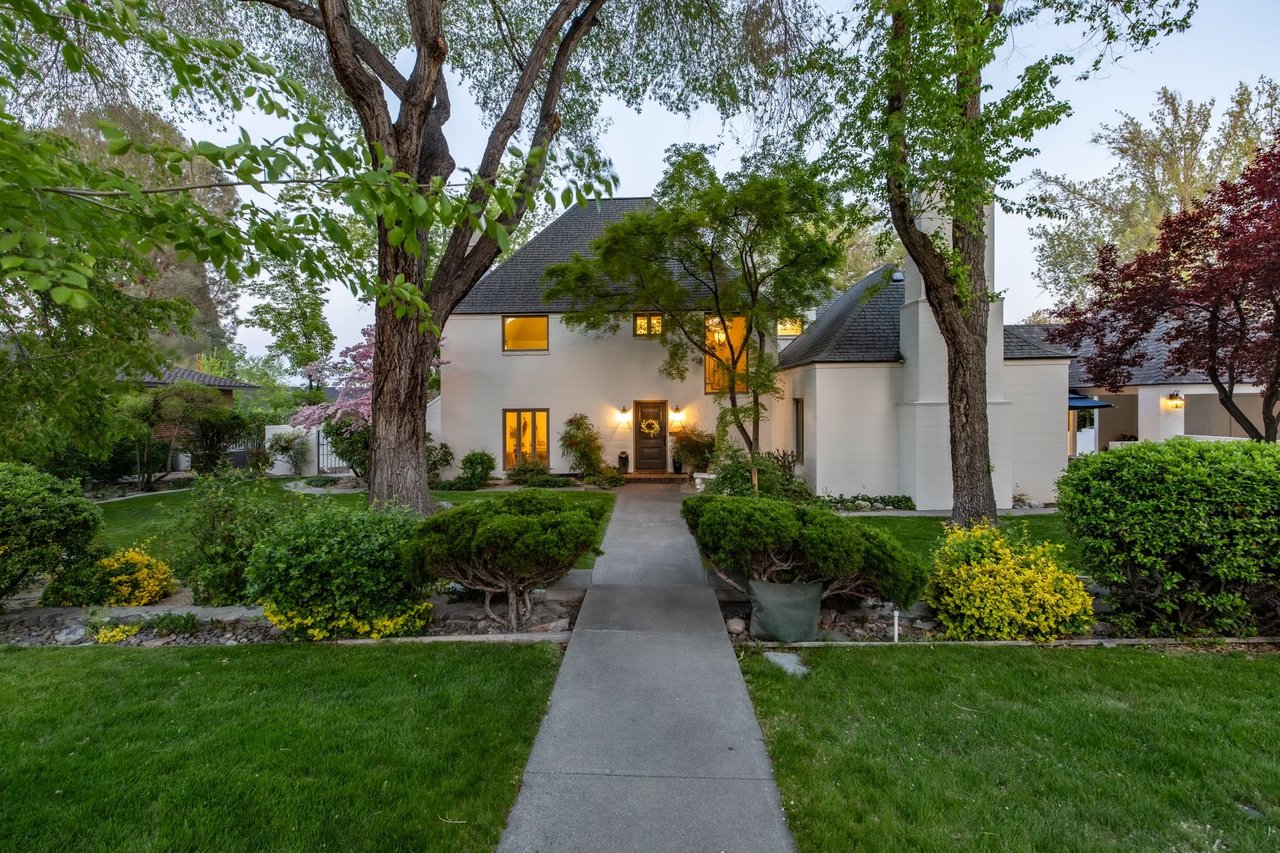
Detached homes are common across Sparks and popular with first-time buyers looking for a yard and garage. You will see a mix of older homes on smaller lots closer to central Sparks and larger homes in newer communities toward Spanish Springs and Wingfield Springs.
Townhomes and condos
If you want lower maintenance or a price point that stretches your budget further, attached homes are a smart option. Many townhome and condo communities include exterior maintenance through an HOA, which simplifies upkeep and monthly planning.
Manufactured and modular homes
Manufactured and modular homes appear in parts of the valley and can offer a cost-effective path to ownership. Financing and community rules vary, so review property eligibility, HOA or park rules if applicable, and your loan options early in the process.
HOA or no HOA: decide early
Sparks offers both choices:
- Older central pockets near Victorian Square and Old Town often have no HOA. You avoid monthly dues, but you take on all exterior maintenance yourself.
- Newer master-planned neighborhoods such as Spanish Springs, Wingfield Springs, The Vistas, and Sky Ranch commonly have active HOAs. Fees vary widely depending on amenities like private street upkeep, common-area landscaping, parks, pools, or small fitness centers. For a representative example of how a large HOA is structured, review The Vistas community overview on the association’s site.
Before you write an offer, ask for and read the HOA Covenants, Conditions and Restrictions, the budget, reserve study, and any community rules. Confirm what your dues cover, whether there are transfer fees, and if there are pending projects that could affect future assessments. If you prefer no monthly HOA dues, target older non-HOA neighborhoods and plan a maintenance budget.
Commute, transit, and location tradeoffs
Sparks is positioned for quick access to Reno, the airport, and regional job centers.
- Regional commuting: Many residents commute across the Reno–Sparks metro. The average travel time to work for Sparks residents is about 24 minutes, based on Census data.
- TRIC and USA Parkway: The Tahoe-Reno Industrial Center to the east is a major employment hub. If you work shift schedules or need consistent freeway access, weigh proximity to I-80 and USA Parkway when you pick a neighborhood.
- Transit options: RTC RIDE operates fixed routes and the RAPID Lincoln Line along the 4th Street/Prater Way corridor between downtown Reno and Centennial Plaza in Sparks. If you plan to use transit, check current routes and schedules on the RTC RIDE site and test your commute during peak hours.
What to budget beyond your mortgage
Even with a solid pre-approval, your monthly plan should include more than principal and interest. Build a realistic budget that captures the following.
Property taxes
Property tax bills in Washoe County vary by neighborhood, exemptions, and assessed values. For current guidance and parcel-level tools, start with the Washoe County Treasurer’s resources. Your lender will estimate taxes in your Loan Estimate, but always confirm local figures as you get closer to an offer.
Utilities
Most Sparks and Reno properties receive water service from the Truckee Meadows Water Authority. Electricity and natural gas are provided regionally by NV Energy. Call providers for typical monthly bills for a comparable home and remember to account for seasonal swings.
HOA dues (if applicable)
HOA dues range widely. In some small associations the fee may be modest, while amenity-rich communities can be higher. Verify the monthly amount, what is included, and any transfer fees or capital contributions during due diligence. Reviewing the HOA budget and reserve study will help you understand future obligations.
Homeowners insurance, maintenance, and closing costs
Homeowners insurance varies by property and coverage. Budget for routine maintenance each year and remember that closing costs typically run about 2 to 5 percent of the purchase price. The Consumer Financial Protection Bureau’s Know Before You Owe materials explain loan disclosures, closing timelines, and what to expect with your Loan Estimate and Closing Disclosure.
First-time buyer programs that help
Nevada offers well-known assistance options that many Sparks buyers use. Program rules, income limits, price caps, and funding windows change, so verify details directly with the administering agency when you apply.
Nevada Housing Division: Home Is Possible and Home First
The Nevada Housing Division’s Home Is Possible suite includes first-time buyer options, plus special variants for teachers and veterans. Depending on the program, you may receive down payment assistance in the form of a forgivable second. Review current borrower education requirements, income and purchase price limits, and lender participation in the NHD program summary.
Nevada Rural Housing: Home At Last
Nevada Rural Housing administers down payment assistance that serves rural and some qualifying areas in and around Washoe County. Design and eligibility vary by product and may pair with FHA or USDA loans. Check the Home At Last program page and confirm property eligibility on the agency’s maps during your search.
Targeted worker and attainable housing funds
From time to time, Nevada allocates time-limited assistance for certain worker groups. These programs are competitive and may offer second-mortgage funds on a first-come basis. When active, details are published by the Nevada Housing Division in program documents and award summaries. If you think you may qualify, monitor announcements and be ready to act quickly.
Loans and limits in Washoe County
Most first-time buyers will consider fixed-rate conventional, FHA, VA, or USDA loans depending on eligibility and goals. It helps to know where the conforming loan limit sits because it separates conventional loans purchased by Fannie Mae and Freddie Mac from jumbo products. For 2026, market compilers placed the one-unit conforming limit for Washoe County in the low $800,000s range. See an overview of conforming loan rules and how limits work.
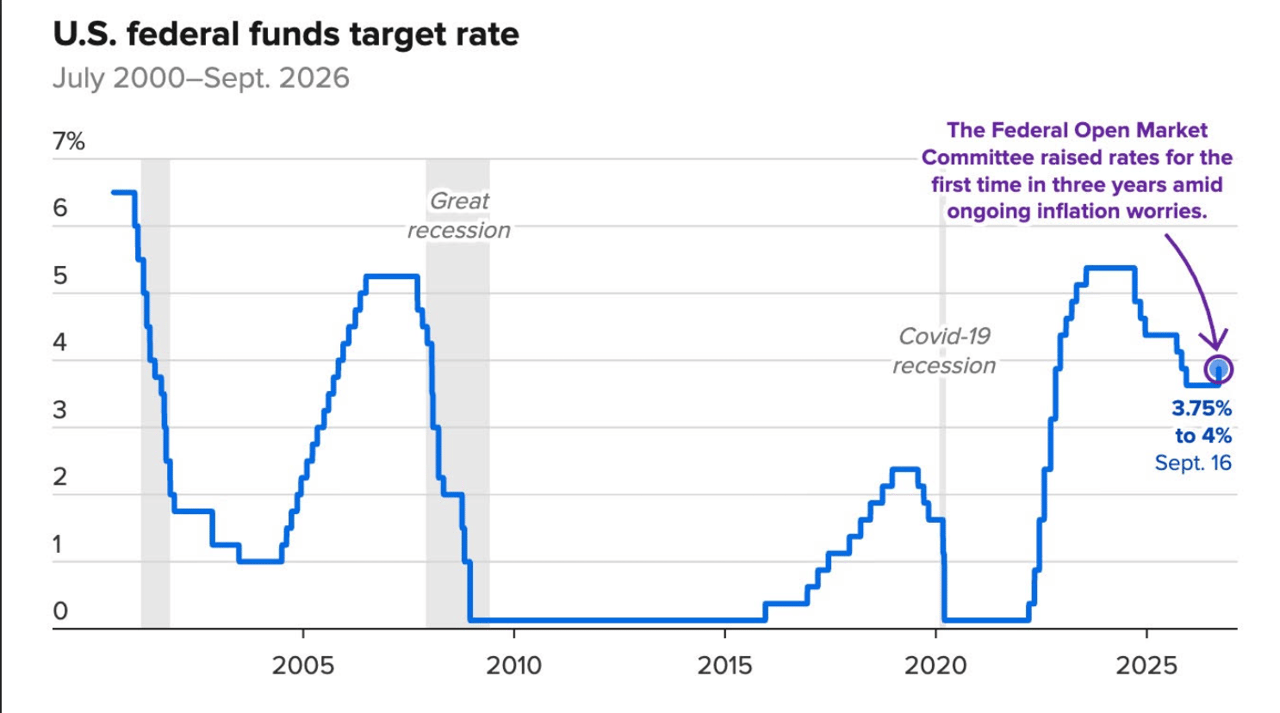
Your lender will explain mortgage insurance, debt-to-income thresholds, and rate options. If you plan to use state assistance, confirm the lender is approved for that program and understand reservation timelines.
Your step-by-step path to the keys in Nevada
1) Get money-ready and pre-approved
Gather pay stubs, W-2s, tax returns, and bank statements. Build a budget that includes down payment, closing costs, and a cushion for moving and setup. The CFPB’s buyer resources explain how to compare loans and understand your Loan Estimate.
2) Tour neighborhoods and refine your criteria
Decide early on HOA vs no HOA, yard size, commute priorities, and must-have features. In Sparks, that might mean choosing between a downtown bungalow with no monthly dues or a newer home in a master-planned community with parks and trails. Your agent will pull comps, flag HOA obligations, and help you calibrate price and condition.
3) Write a strong offer and set expectations
Nevada uses standard purchase agreements. You will include an earnest money deposit that is held in escrow. Typical contingencies include inspection, appraisal, and loan approval. Sellers must complete a Seller’s Real Property Disclosure in Nevada, so you will review that document for known property conditions.
4) Inspections, appraisal, title, and escrow
Schedule your home inspection quickly and negotiate repairs or credits based on findings. Your lender will order an appraisal. The title company handles escrow and issues your title insurance policy. The CFPB’s Know Before You Owe guidance outlines what appears in your Closing Disclosure and your right to review it at least three business days before closing.
5) Closing timeline
Plan for about 30 to 45 days from contract to close, depending on loan type, appraisal timing, and whether you are using a state assistance program that adds processing steps. Keep documents handy, respond quickly to lender requests, and coordinate with your agent on all deadlines.
Neighborhood scouting checklist
Use this quick list to stay focused as you search in Sparks:
- Confirm your price range with a written pre-approval and revisit it if rates move.
- Decide on HOA tolerance and review actual HOA documents before you waive contingencies.
- Test-drive your commute during peak hours and winter conditions if relevant.
- Budget for utilities, taxes, insurance, and a maintenance reserve.
- If you plan to use assistance, read program rules early and track deadlines.
- Hire a local home inspector and read the inspection report in full.
Schools and local services snapshot
For families planning ahead, major public high schools that serve Sparks include Spanish Springs High School and Edward C. Reed High School. For boundary maps and program information, start with the Washoe County School District page for Spanish Springs High School and follow district links to other campuses.
For safety and services, use official City of Sparks and Washoe County resources for current information and tools. Conditions vary by micro-neighborhood and change over time, so rely on live sources rather than static summaries.
Buying in Sparks is about aligning your lifestyle, commute, and budget with the right home and community. When you are ready to tour neighborhoods, weigh HOA tradeoffs, and shape a winning offer, connect with the Kirsch Real Estate Team for local guidance from first showings to closing.
Ready to get started? Schedule a private consultation with the Kirsch Real Estate Team to plan your Sparks home search.
FAQs
What should a first-time buyer know about Sparks home prices?
- The Census reports a median value of owner-occupied homes near $483,800 in Sparks, but active listing and sale prices change month to month. Use current comps and your pre-approval to set a realistic target.
Are there many no-HOA homes in Sparks?
- Yes. Older neighborhoods near central Sparks often have no HOA, while master-planned areas like The Vistas and parts of Spanish Springs commonly have active HOAs. Review community rules and budgets before you offer.
How do property taxes work for Sparks homes?
- Bills vary by assessed value, exemptions, and location. Use the Washoe County Treasurer’s resources for parcel-level tools and verify your lender’s estimate during underwriting.
Which first-time buyer programs can help me in Sparks?
- Explore the Nevada Housing Division’s Home Is Possible and Home First programs, and Nevada Rural Housing’s Home At Last offerings. Program income limits, price caps, and funding windows change, so verify details with the agencies.
What transit options connect Sparks to Reno?
- RTC RIDE runs fixed routes and the RAPID Lincoln Line along the 4th Street/Prater Way corridor, linking downtown Reno and Centennial Plaza in Sparks. Check current routes and schedules before you plan a transit-based commute.
How long does it take to close on a home in Nevada?
- A typical escrow runs about 30 to 45 days, depending on loan type and appraisal timing. The CFPB’s Know Before You Owe guidance explains your Closing Disclosure and review window.