Trying to decide between a shiny new build and a well‑kept resale in Dayton? With growth from nearby Carson City and the Reno metro influencing new subdivisions, your best choice comes down to timeline, budget, commute, and how much you want to personalize your home. In this guide, you’ll compare warranties, closing certainty, customization, costs, HOA details, and incentives so you can choose with confidence. Let’s dive in.
New vs. resale at a glance
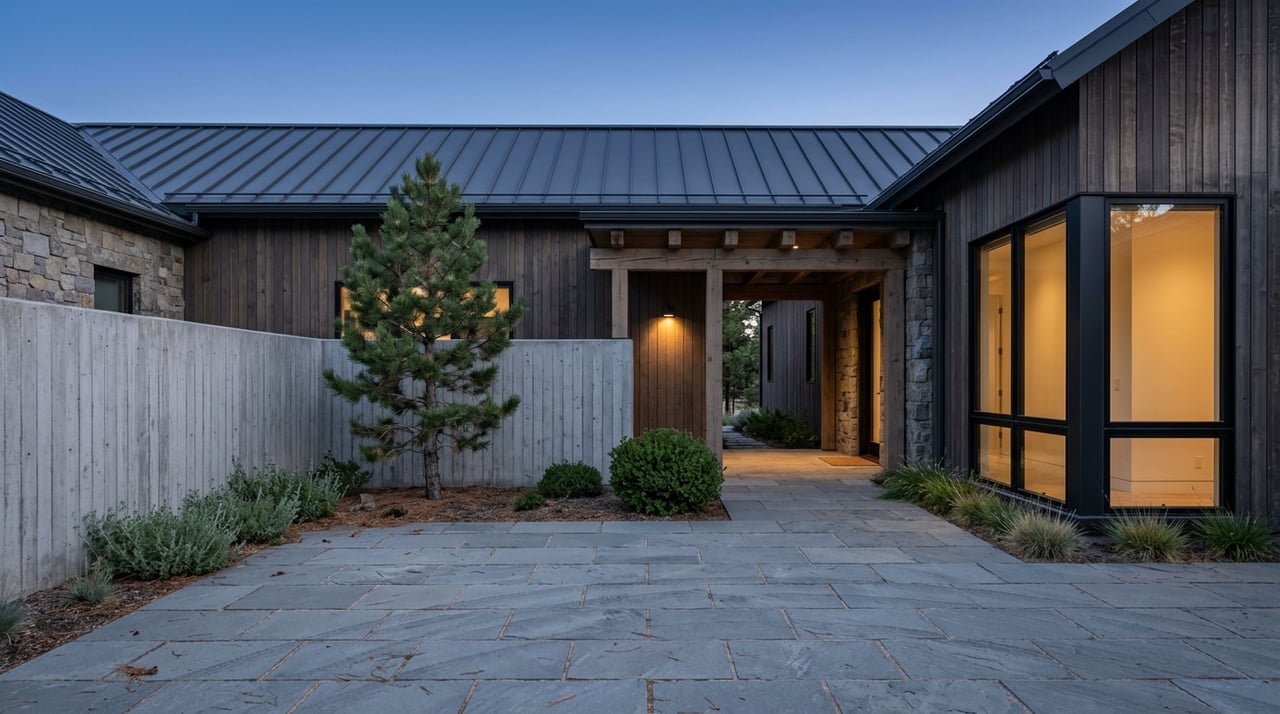
New construction can offer modern systems, energy‑efficient materials, and the ability to pick finishes. You may also get community amenities, but early phases sometimes lack mature landscaping and nearby services. Build timelines can stretch, and upgrades add cost.
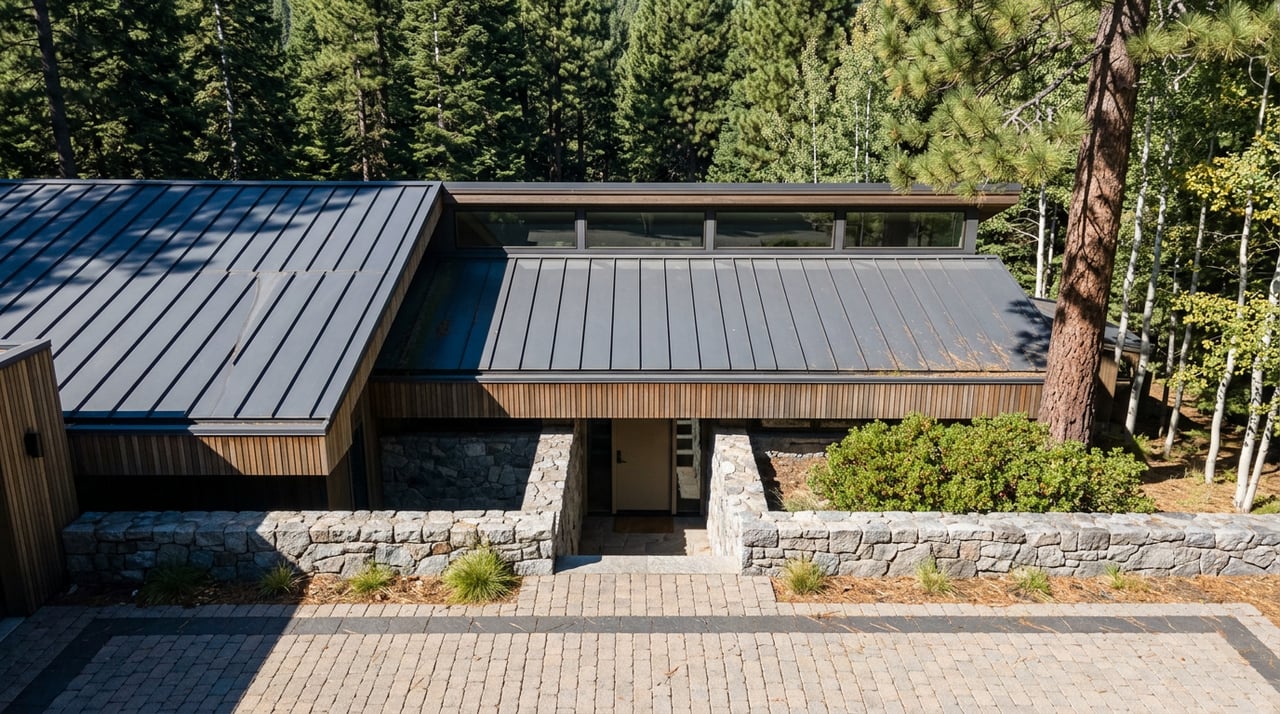
Resale homes usually provide faster move‑in and a known neighborhood feel. You see how traffic flows, which services are nearby, and how the area lives day to day. Systems may be older, and renovations can add time and budget.
Warranties: what protects you
New homes typically come with layered warranties. A common pattern in many U.S. markets is 1 year for workmanship and materials, 2 years for mechanical systems, and a longer structural coverage period that can extend up to 10 years. Exact terms, start dates, and exclusions vary, so always read the contract carefully.
- Verify warranty scope, start date, exclusions, and whether it transfers to a future owner.
- Ask who handles repairs and how quickly the builder responds.
- Check licensing and any complaint history with the Nevada State Contractors Board.
Resale homes usually do not include a builder warranty unless a new‑home warranty transfers. You rely on seller disclosures, inspections, and your purchase agreement for repairs or credits. You can also consider a one‑year home warranty policy for added peace of mind.
Timelines and move‑in certainty
New construction timelines depend on builder backlog, permitting, weather, materials, and subcontractor availability. Even quick‑move‑in spec homes can face delays. If you are building from the ground up, plan for several months from contract to closing, plus a buffer for the unexpected.
Resale transactions typically close faster, often within 30 to 60 days depending on your financing, appraisal, and inspection negotiations. If your purchase depends on selling your current home, that contingency can extend your timeline.
If you are buying a new build in Dayton, ask the builder for a detailed schedule and confirm permitting status with Lyon County. You can find county resources and contacts on the Lyon County official site.
Customization and finishes
If you want to personalize your home, new construction offers design center selections, floorplan choices, and lot orientation. Those options can improve livability and energy performance but keep a close eye on upgrade pricing and deadlines for change orders. Model homes often feature premium finishes that are not included in the base price.
With resale, you get what you see, and you may be able to negotiate a lower purchase price rather than paying for upgrades. If you plan to renovate, factor in permits, timelines, and the condition of existing systems that could influence your project schedule.
Costs, appraisals, and financing
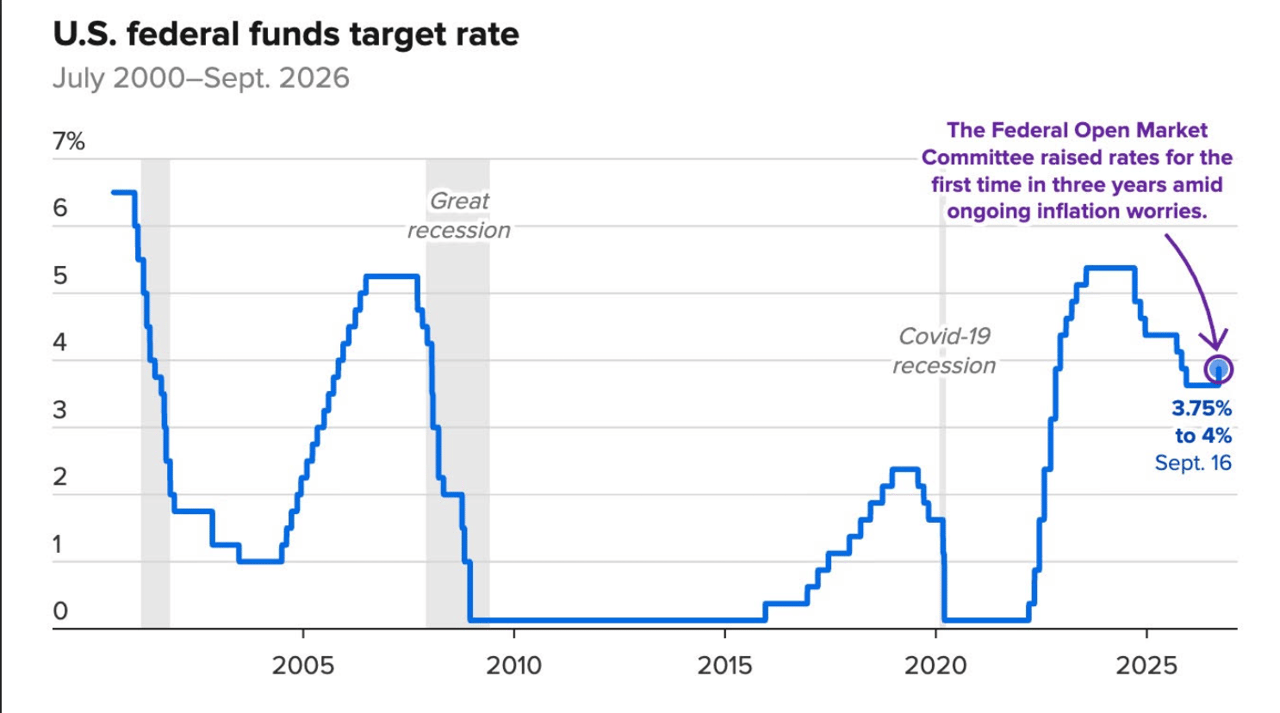
New homes can carry a per‑square‑foot premium for modern systems and amenities, but early maintenance costs are often lower. Builders may offer incentives like rate buydowns, closing credits, or discounted upgrades, often through preferred lenders. Always request competing loan estimates so you understand the true cost of financing.
Appraisals in brand‑new communities can be tricky if there are few comparable sales. That can create an appraisal gap risk. On the resale side, pricing is guided by neighborhood comps and the property’s condition, and you can negotiate repairs or credits based on inspections.
Neighborhood, commute, and infrastructure
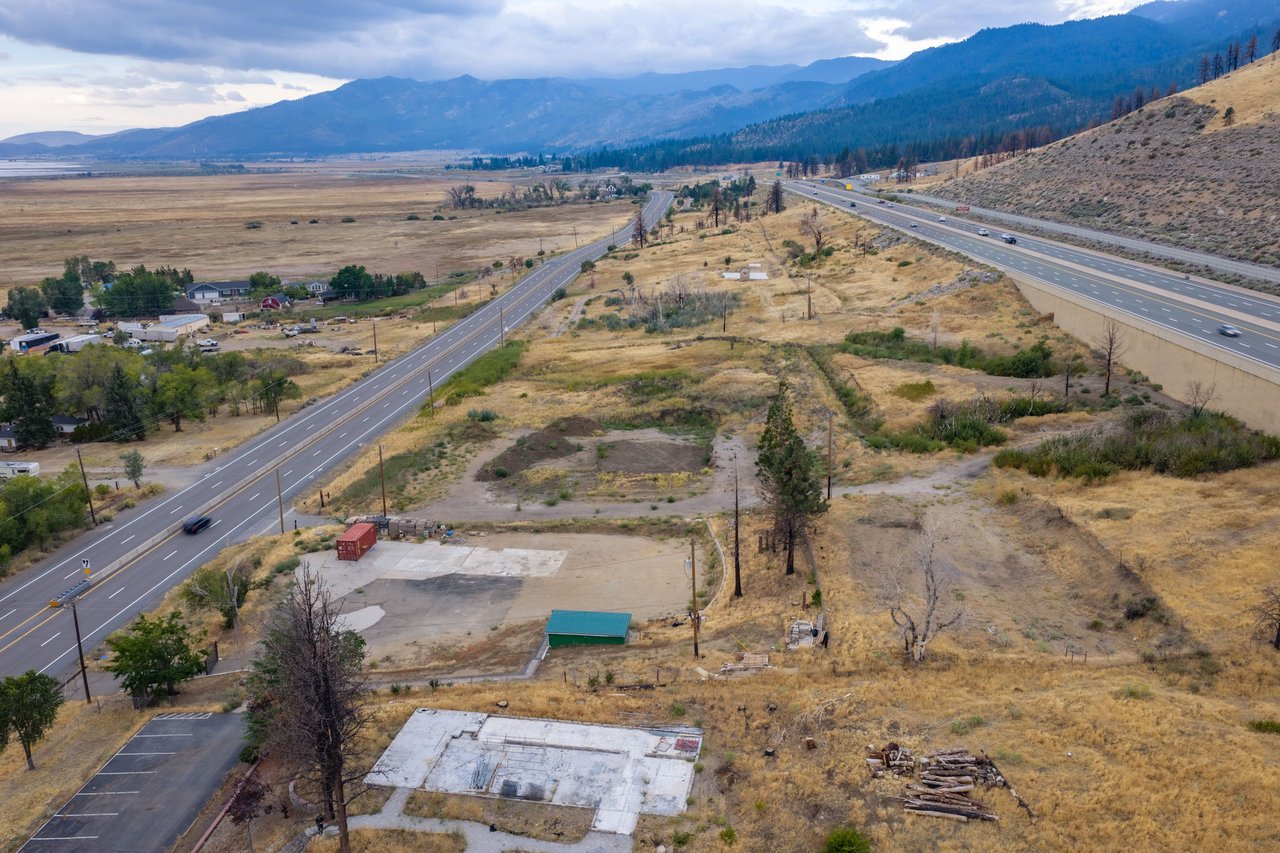
Dayton functions as an outlying community for Carson City and the Reno metro. US‑50 and regional highways connect you to jobs and services, so weigh daily drive times and seasonal traffic patterns against where you want to live within Dayton. New subdivisions in early phases may have developing roads, lighting, and amenities that complete later.
Established neighborhoods provide mature landscaping, predictable traffic, and known access to services. In both new and existing areas, understand road maintenance responsibilities and how they affect costs and timelines for improvements.
HOA and CC&R checkup
Nevada’s common‑interest communities follow NRS 116. In a new development, the developer usually controls the HOA at first and sets CC&Rs, architectural guidelines, and initial fees. Ask what the fees cover, when the HOA will transition to homeowner control, and whether there is a current reserve study.
In an existing HOA, request the budget, reserve study, meeting minutes, and any recent special assessments. This history helps you evaluate fee stability and the potential for future increases.
Dayton buyer checklist
Use these questions to compare specific homes or communities.
For new construction
- Contract and timeline
- Ask for a detailed build schedule with milestones and remedies if delayed.
- Clarify deposit protections and refund conditions.
- Warranties and service
- Get the full written warranty and response timelines.
- Confirm who performs warranty work and how to submit claims.
- Costs and incentives
- Request an itemized base price, lot premiums, and upgrade menu.
- Get all builder incentives in writing and ask how they affect appraisal.
- Permits and inspections
- Confirm all required permits and inspections, and ask for the certificate of occupancy on spec homes.
- Utilities and infrastructure
- Verify water, sewer, and garbage hookups and any capacity fees.
- HOA and community
- Request CC&Rs, rules, current budget, planned amenities, and the developer control period.
- Energy and systems
- Ask about HVAC ratings, insulation, window specs, water heater type, and any efficiency certifications.
- Change orders and upgrades
- Confirm cut‑off dates, pricing, and how changes affect timeline.
For resale
- Condition and disclosures
- Review seller disclosures, recent inspection reports, and utility bills.
- Ask ages and service dates for roof, HVAC, water heater, and foundation.
- Inspections and repairs
- Order a full home inspection, and add specialty inspections if needed. The American Society of Home Inspectors explains what a professional inspection covers.
- Use findings to negotiate repairs or credits.
- Neighborhood and HOA
- Request HOA docs, and ask about any recent or upcoming assessments.
- Comparables and value
- Review nearby comparable sales to evaluate price.
- Financing and appraisal
- Discuss appraisal risk and strategies if your offer is near list price.
Universal due diligence
- Verify property taxes and any pending assessments with county records.
- Check flood risk using the FEMA Flood Map Service Center.
- Confirm school boundaries and bussing with the Lyon County School District.
- Verify utility providers and any hook‑up or capacity fees.
- For builder reputation, check licensing and complaint history with the Nevada State Contractors Board.
- For permitting timelines and code questions, consult the Lyon County official site.
Incentives vs. negotiation: do the math
Builders often offer rate buydowns, closing credits, or discounted upgrades. These can be valuable, but the true benefit depends on your loan terms and how incentives are structured. Compare the net effect against a resale purchase where you might negotiate price reductions or repair credits.
Create a side‑by‑side analysis that includes:
- Purchase price after incentives or negotiated reductions.
- Estimated maintenance and repair costs over the first 5 years.
- HOA fees and any likely special assessments based on budgets and reserve studies.
- Estimated energy and utility costs based on construction age and systems.
- Carrying costs if you need interim housing while you build.
If you are comparing long‑term value, consider probable resaleability in 3 to 5 years. In brand‑new subdivisions, make sure your price aligns with likely future comps once more homes close.
How to choose what fits your life
Start with your non‑negotiables: move‑in date, commute, budget, and desired home features. If you need certainty and speed, a well‑vetted resale may be best. If you want specific finishes and modern systems and can be flexible with timing, new construction can be a great fit.
Next, narrow to two or three Dayton neighborhoods or communities that align with your commute on US‑50 and access to the amenities you use most. Then use the checklist above to pressure‑test each option. If you want data support, you can also review population and housing trends through U.S. Census QuickFacts for Lyon County for broader context.
When you are ready to compare properties or negotiate incentives and credits, a local, negotiation‑focused team can help you run the numbers clearly and protect your interests from contract to close.
If you would like a tailored comparison, a net cost breakdown, or a second opinion on a builder contract, reach out to the Kirsch Real Estate Team for a private consultation.
FAQs
How long does new construction in Dayton usually take?
- Build timelines vary by builder, permits, weather, and materials, so plan for several months from contract to closing and build in a buffer for delays.
Do I need an inspection on a new Dayton home?
- Yes, independent inspections are recommended for new construction, including pre‑drywall and final, so defects are documented under warranty.
How do HOA rules differ in new vs. established Dayton neighborhoods?
- New communities are typically developer‑controlled early on, while established HOAs have documented budgets and reserve studies you can review under NRS 116.
What should I know about commuting from Dayton to Carson City or Reno?
- US‑50 connects you to Carson City and routes to Reno, so weigh daily drive times and seasonal traffic when choosing a community location.
How do I check a builder’s reputation in Nevada?
- Verify licensing and review any complaint history through the Nevada State Contractors Board.
Can I negotiate with a builder in Dayton?
- Often yes, but it depends on inventory and demand; request a written list of current incentives and compare them against competing lenders and communities.
How do I check flood risk for a Dayton property?
- Enter the property address in the FEMA Flood Map Service Center to see the current flood zone and review any insurance implications.